The Investing Canon
Distilled learnings from the greatest public-markets investors, living and dead — their philosophy, greatest trades, mistakes, and mental models, drawn from primary sources.
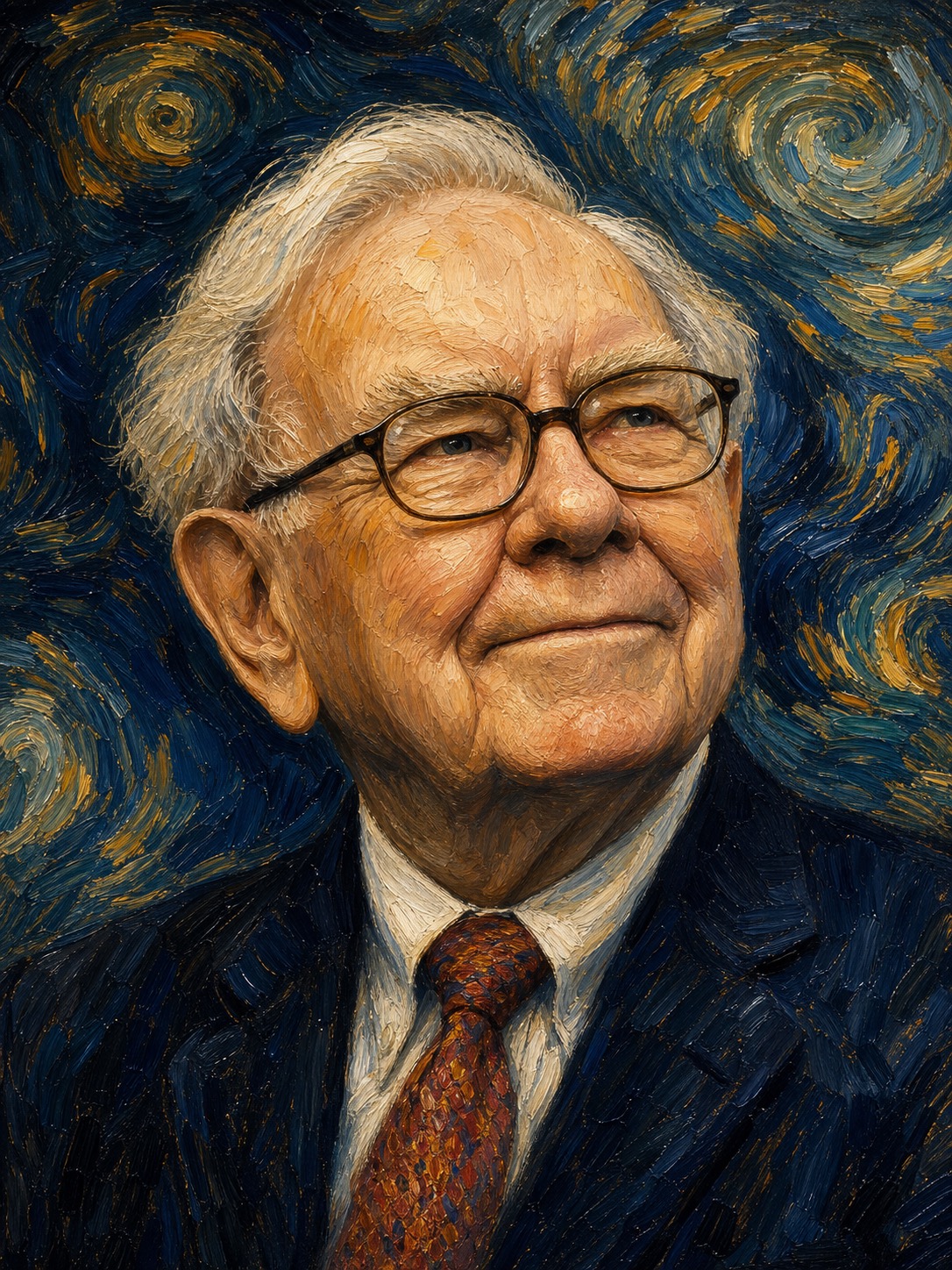
001
Warren Buffett
Buffett's own 1984 essay says he worked at Graham-Newman from 1954 through 1956
THE EDGE
Built a permanent-capital compounding machine that turned business-owner discipline, float, reputation, and patience into a multi-decade edge.
Value investingquality compoundingpermanent capitalinsurance float
Enter the study →
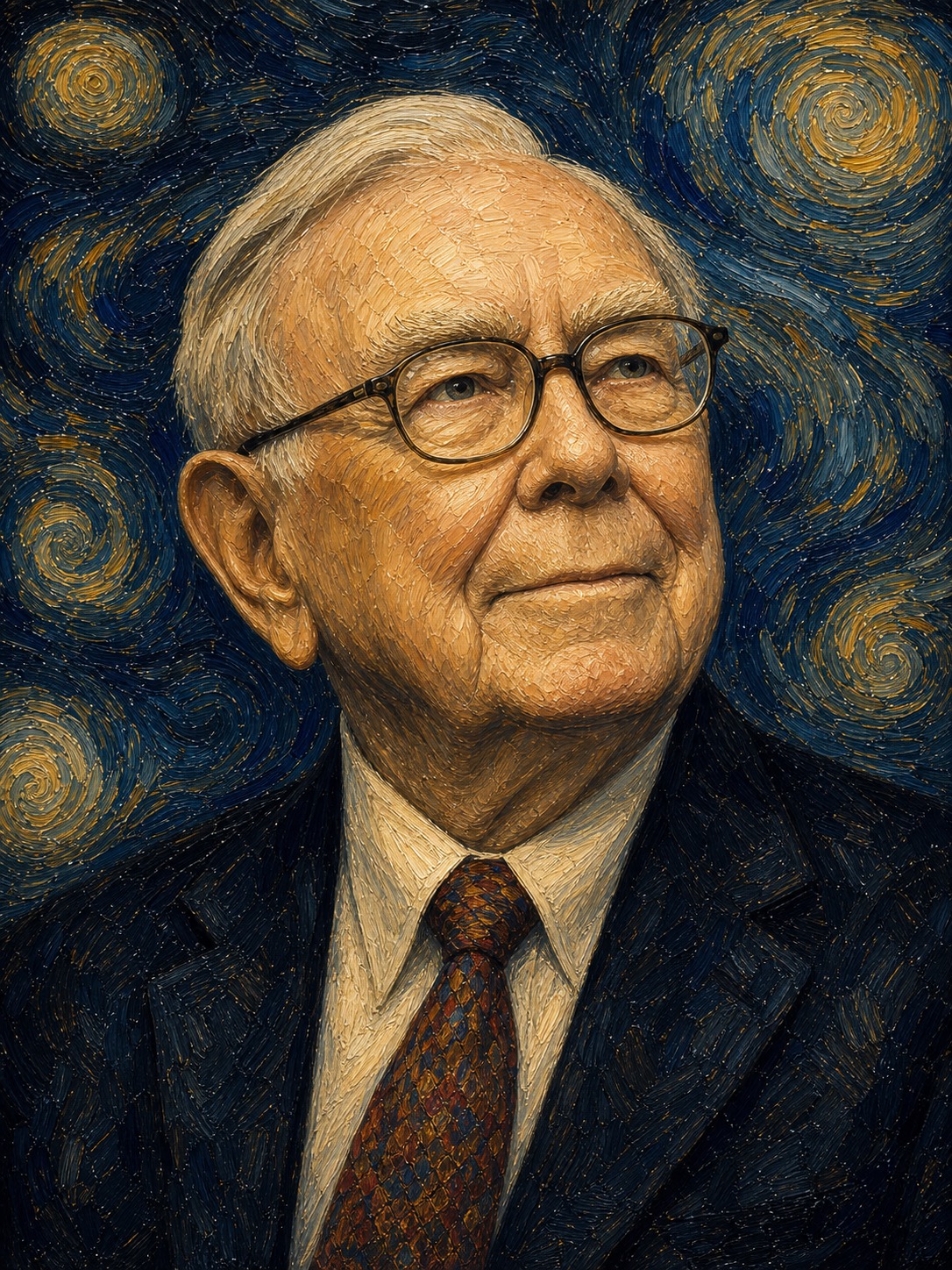
002
Charlie Munger
Law practice after Harvard Law
THE EDGE
Rebuilt value investing around multidisciplinary judgment, business quality, incentives, and anti-ruin discipline, then embedded it in Berkshire and Daily Journal structures.
Quality valuemental modelsconcentrated investingbehavioral risk control
Enter the study →
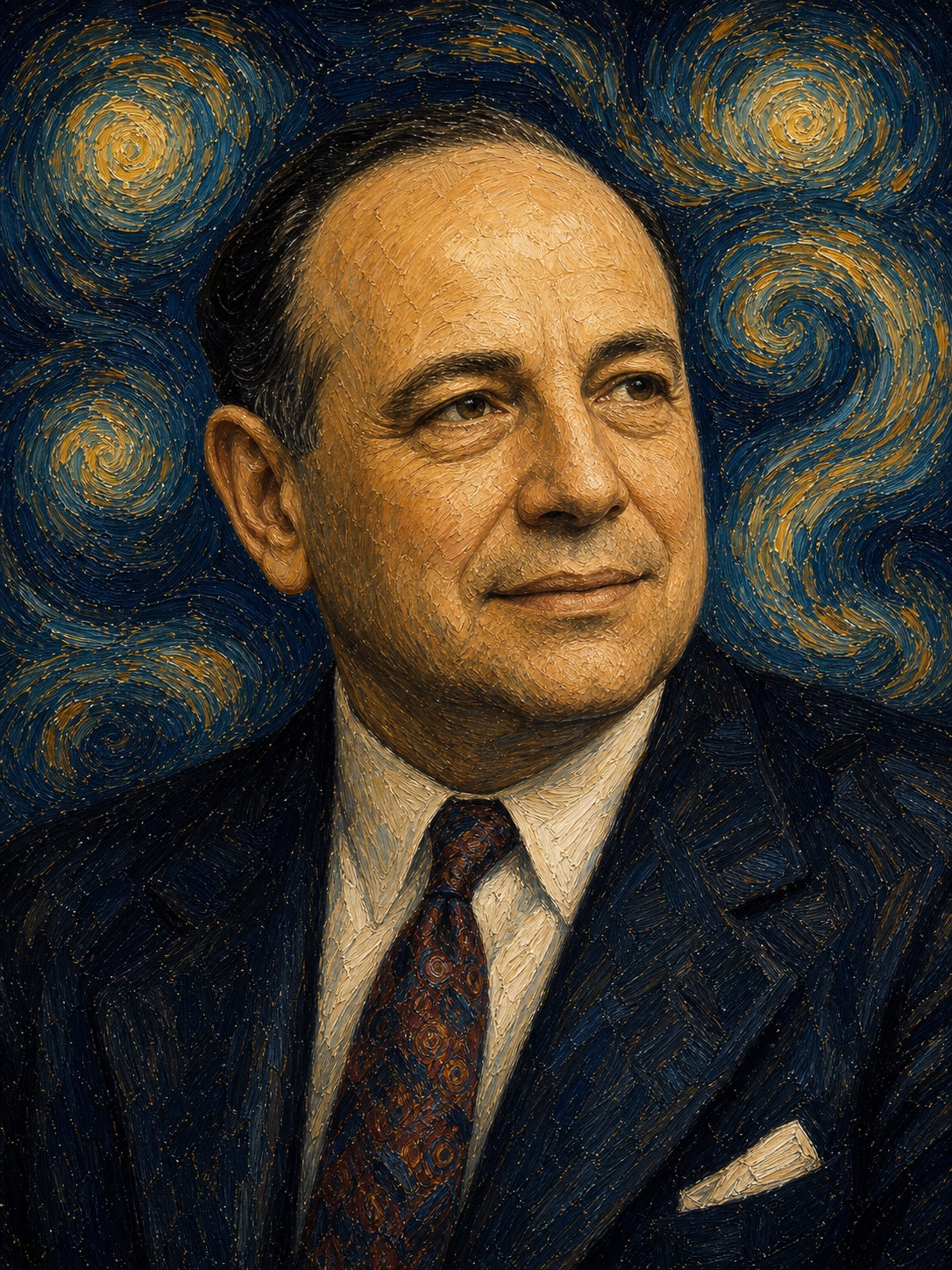
003
Benjamin Graham
THE EDGE
Codified security analysis and margin-of-safety investing, turning neglected assets, statistical bargains, and special situations into a teachable discipline.
Value investingsecurity analysismargin of safetynet-current-asset value
Enter the study →
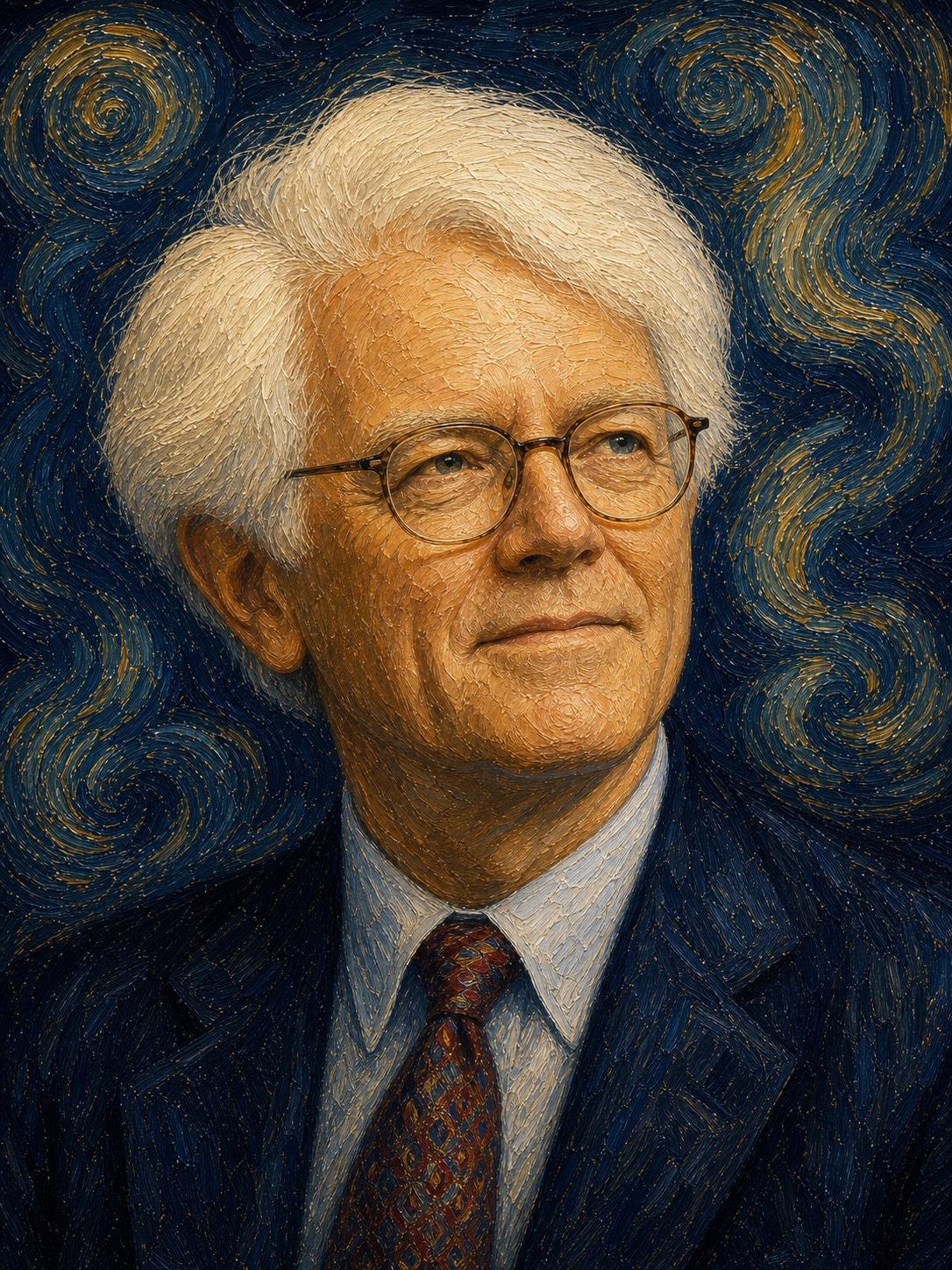
004
Peter Lynch
Fidelity analyst from 1969
THE EDGE
Turned everyday observation into researched stock stories, using Fidelity's platform, category discipline, and tolerance for volatility to compound Magellan at exceptional scale.
GARPbottom-up stock pickingconsumer scuttlebuttcategory-flexible mutual fund
Enter the study →

005
George Soros
Finance career began in the 1950s
THE EDGE
Turned fallibility and reflexivity into a global macro method for trading brittle policy regimes and feedback loops, while exposing the limits of opacity, leverage, and public influence.
Global macroreflexivitypolicy-regime arbitragecurrency speculation
Enter the study →
006
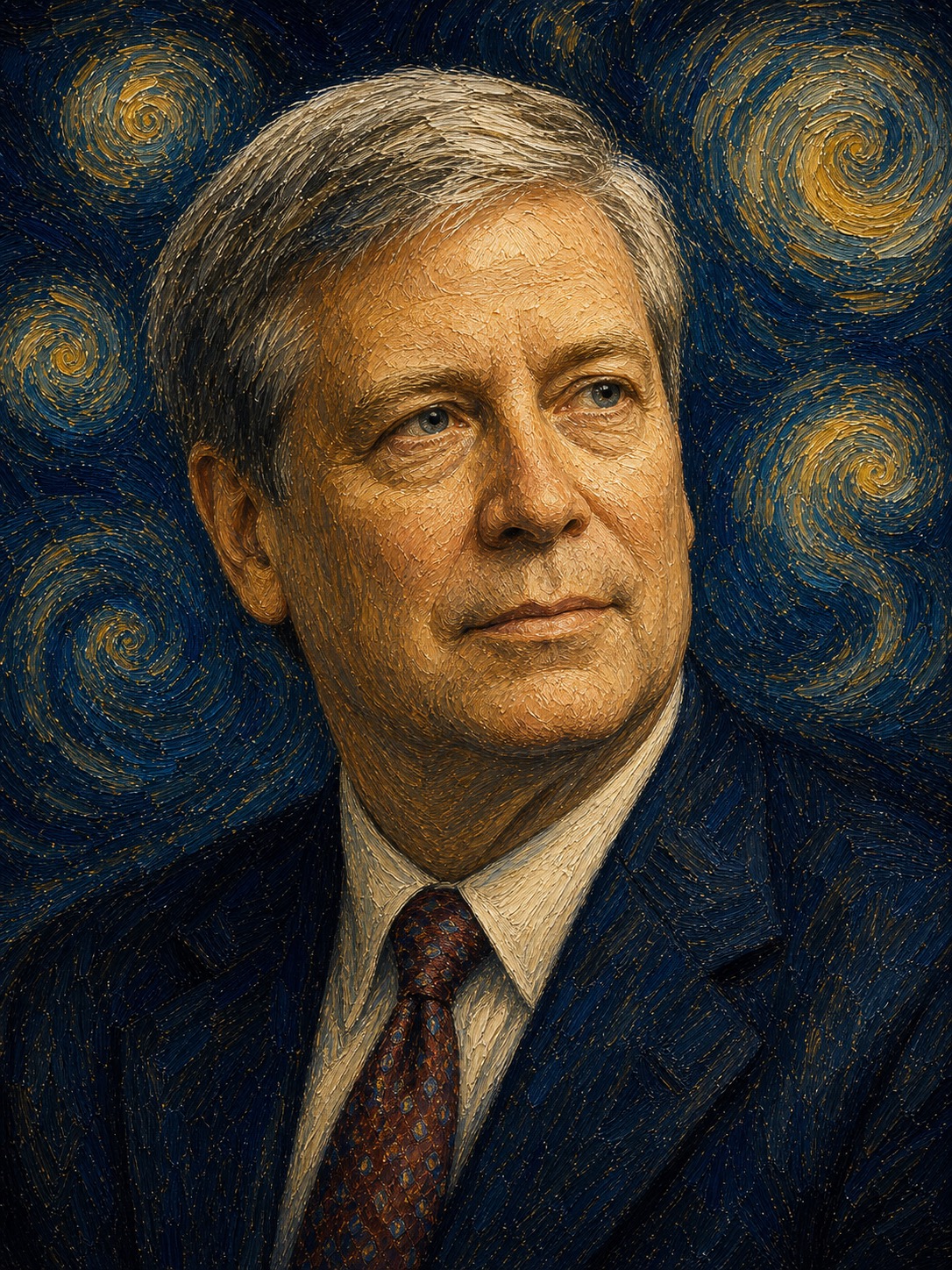
Stanley Druckenmiller
Began at Pittsburgh National Bank in 1976
THE EDGE
Converted forward-looking macro causality, liquidity timing, and rare aggressive sizing into a decades-long record, while exposing limits around audited returns, Quantum attribution, scale, and 13F copycats.
Global macrocross-asset concentrationliquidity/policy inflectionfast loss-taking
Enter the study →
007
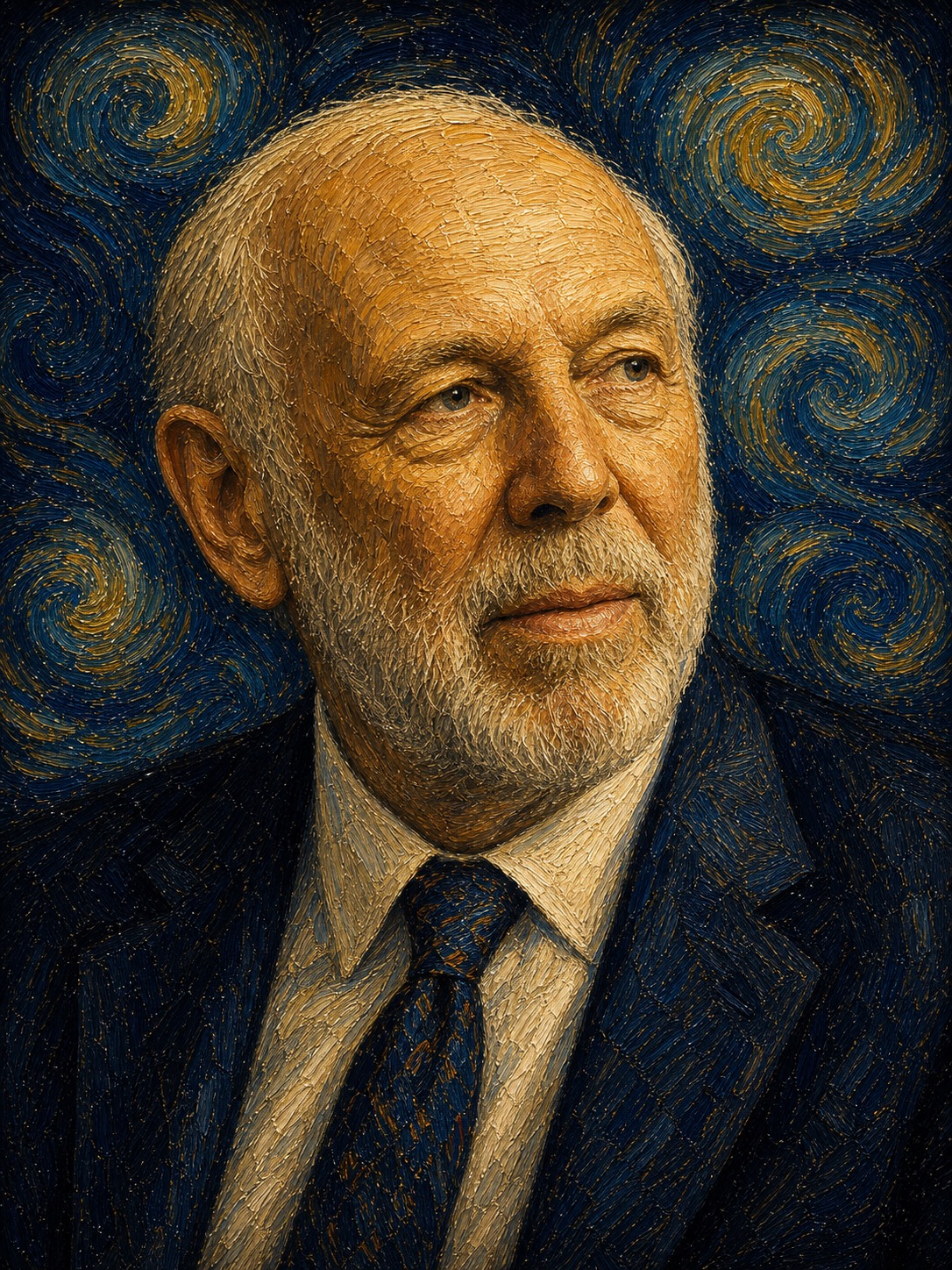
Jim Simons
THE EDGE
Built a capacity-capped, employee-aligned research lab that turned small statistical edges, data infrastructure, execution and secrecy into the Medallion engine, while exposing limits around auditability, outside funds and tax/legal structure.
Quantitative investingstatistical arbitragesystematic tradingmarket neutral
Enter the study →

008
Howard Marks
1969-present: Citicorp 1969-1985, TCW 1985-1995, Oaktree 1995-present
THE EDGE
Turned value discipline, risk control, and cycle-temperature reading into a scalable Oaktree credit franchise and a widely transferable language for when to be defensive or aggressive.
Distressed debtopportunistic creditrisk controlsecond-level thinking
Enter the study →

009
Seth Klarman
Mutual Shares analyst work before business school
THE EDGE
Turned Graham-and-Dodd risk discipline into a multi-asset private partnership that buys complexity and distress, while exposing the opportunity cost of excessive safety.
Value investingmargin of safetydistressed creditspecial situations
Enter the study →
010
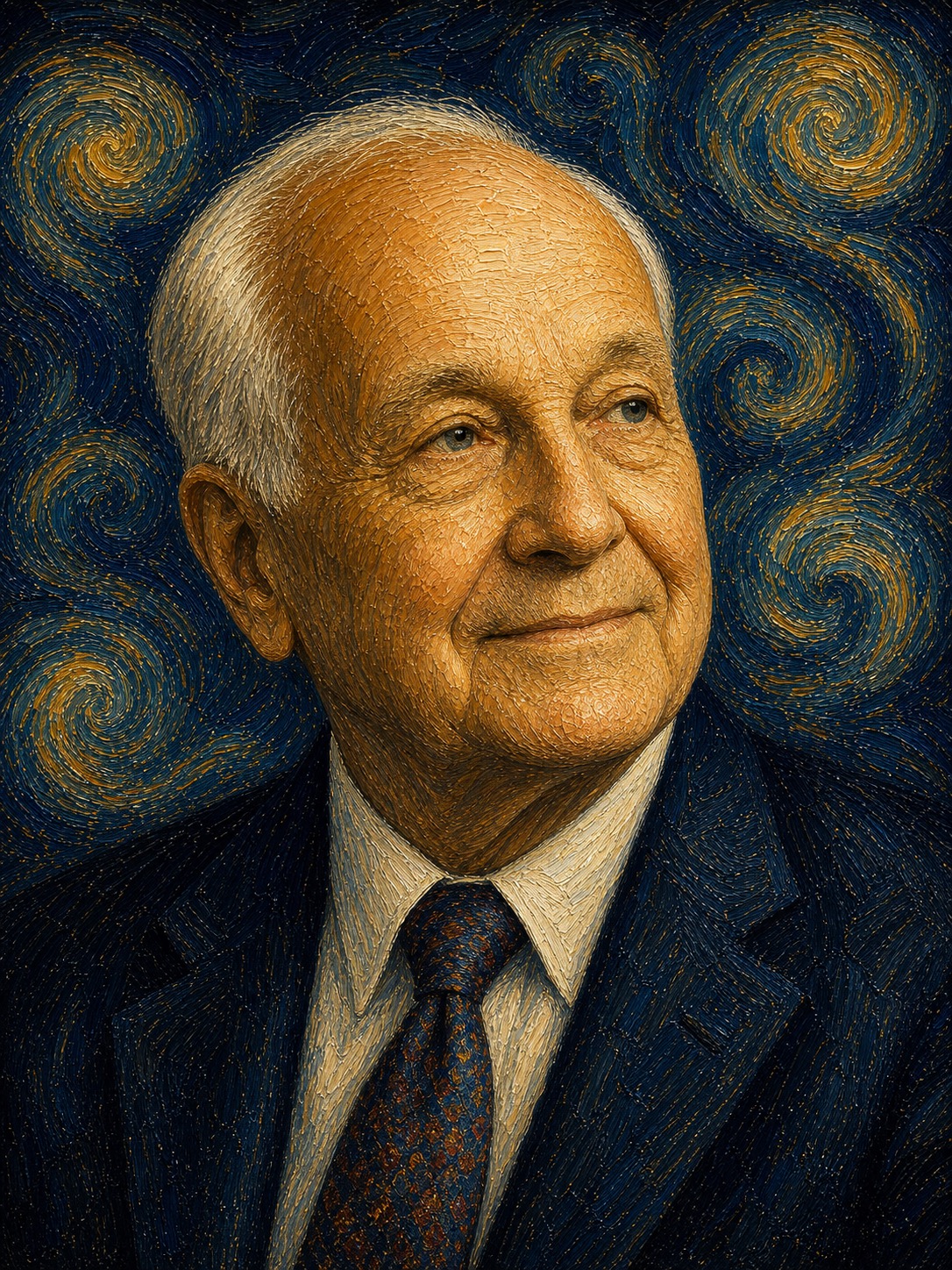
John Templeton
Wall Street career began in 1938
THE EDGE
Globalized contrarian value investing by searching worldwide for pessimism-priced bargains, then using diversification, patience, and sell discipline to survive long periods of discomfort.
Global valuemaximum pessimismdiversified basketscountry rotation
Enter the study →

011
Philip Fisher
Securities analyst from 1928
THE EDGE
Made qualitative business research investable by combining scuttlebutt, management judgment, product runway analysis, and rare-position patience, while leaving a thin audited track-record trail.
Quality growthscuttlebutt researchconcentrated long-term ownershipmanagement quality
Enter the study →
012
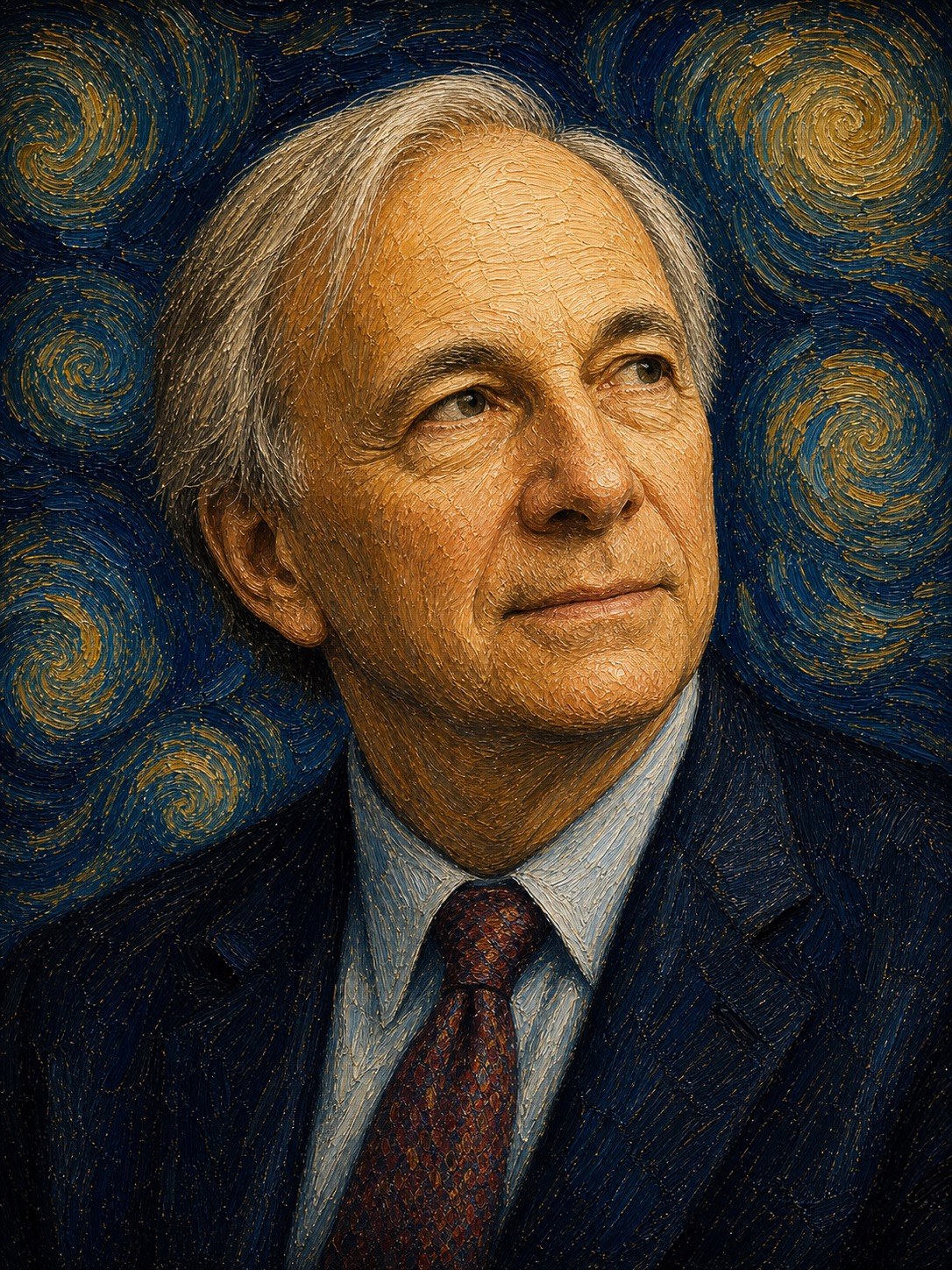
Ray Dalio
Public-markets investor for more than 50 years
THE EDGE
Built Bridgewater into a cause-and-effect macro research machine that separated alpha from beta and popularized risk-balanced portfolios, while exposing limits around opacity, culture, and founder dependence.
Global macrodebt-cycle analysisPure AlphaAll Weather/risk parity
Enter the study →

013
John Maynard Keynes
THE EDGE
Turned painful macro and commodity lessons into a patient endowment-equity model built on concentrated, valuation-led securities, long-horizon governance, and evidence-weighted judgment.
Endowment equitycontrarian valueconcentrated stock selectionpatient capital
Enter the study →

014
Jesse Livermore
Roughly 1892/1893 to 1940: from quotation-board work and bucket-shop trading in Boston to a 1940 return attempt around his published trading manual
THE EDGE
Turned price confirmation, leadership, and loss-cutting into an early trading doctrine, while proving that large wins without enforceable risk governance can still end in ruin.
Tape readingdiscretionary trend followingpivotal pointspyramiding
Enter the study →

015
Jack Bogle
1951-2019: joined Wellington after Princeton in 1951, founded Vanguard in 1974/1975, served as Vanguard chairman and CEO until 1996, senior leader until 1999/2000, then wrote and spoke through the Bogle Financial Markets Research Center until his death
THE EDGE
Converted humble market arithmetic into a fund-owned, low-cost indexing institution that let ordinary investors keep more market return while exposing new stewardship-scale risks.
Low-cost indexingbroad market betamutual fund structurefiduciary reform
Enter the study →
016
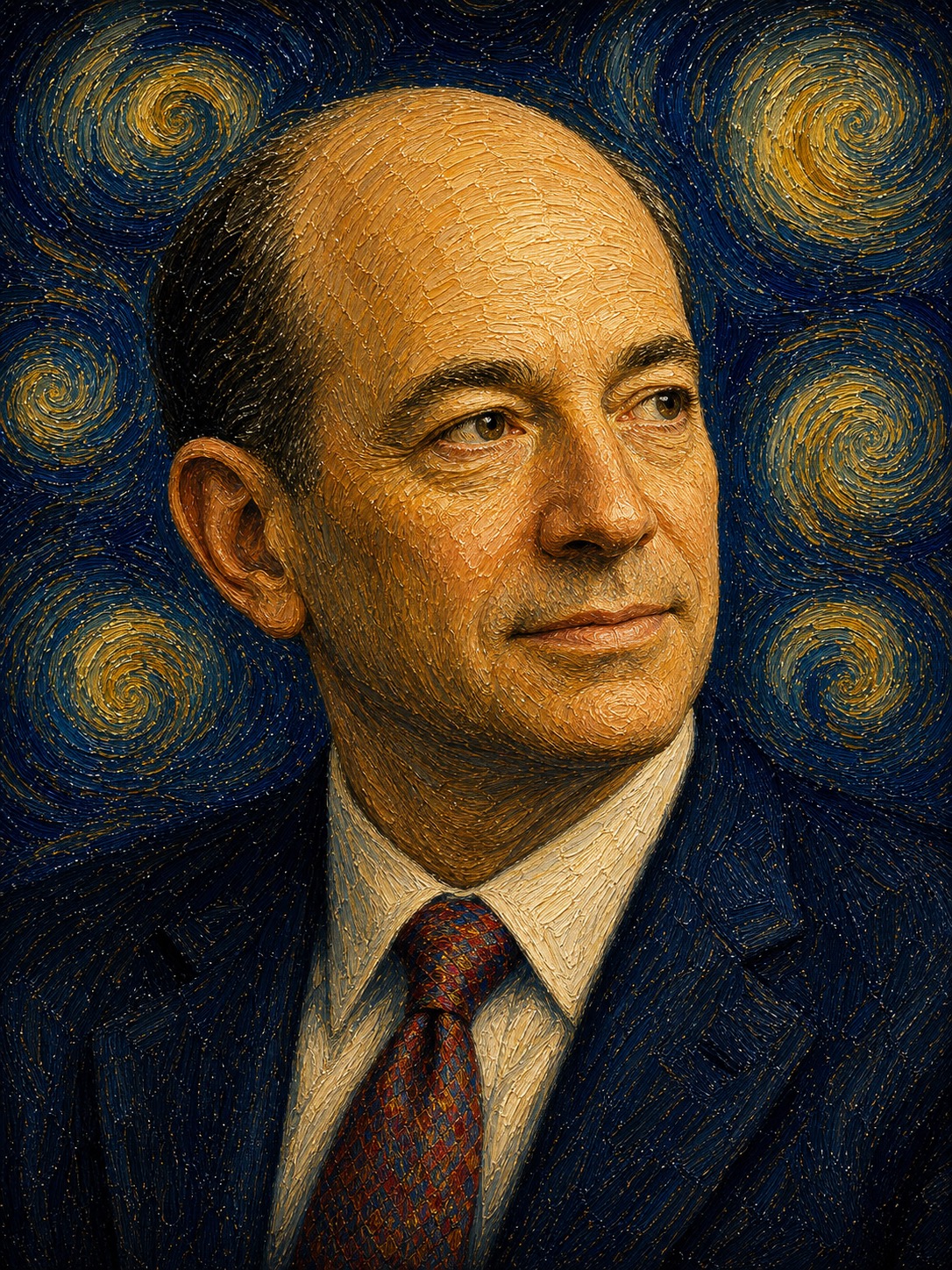
Joel Greenblatt
Public investing career from 1985 to present
THE EDGE
Turned valuation plus structural neglect into a special-situations record, public quality-value rules, VIC's research network, and Gotham's scaled long/short platform.
Special situationsquality-plus-valueMagic Formulalong/short equity
Enter the study →
017
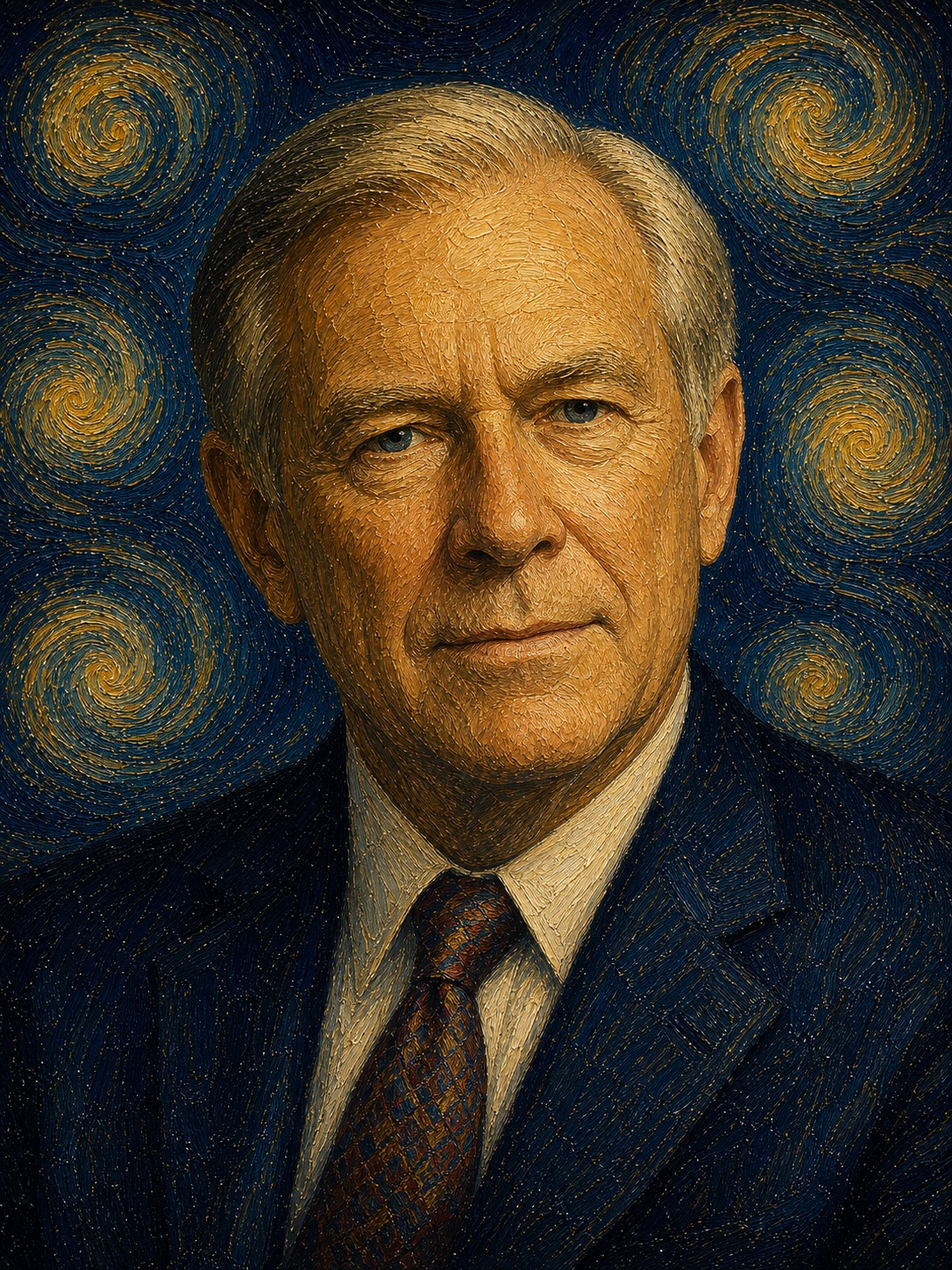
Julian Robertson
Kidder Peabody from 1957 after Navy service
THE EDGE
Built Tiger as a people-driven long/short research machine that bought superior companies, shorted weaker ones, and compounded talent, while showing that even correct judgment can fail if scale and redeemable capital cannot survive the path.
Fundamental long/short equityquality-growth valuemanagement-quality underwritingshort selling
Enter the study →
018
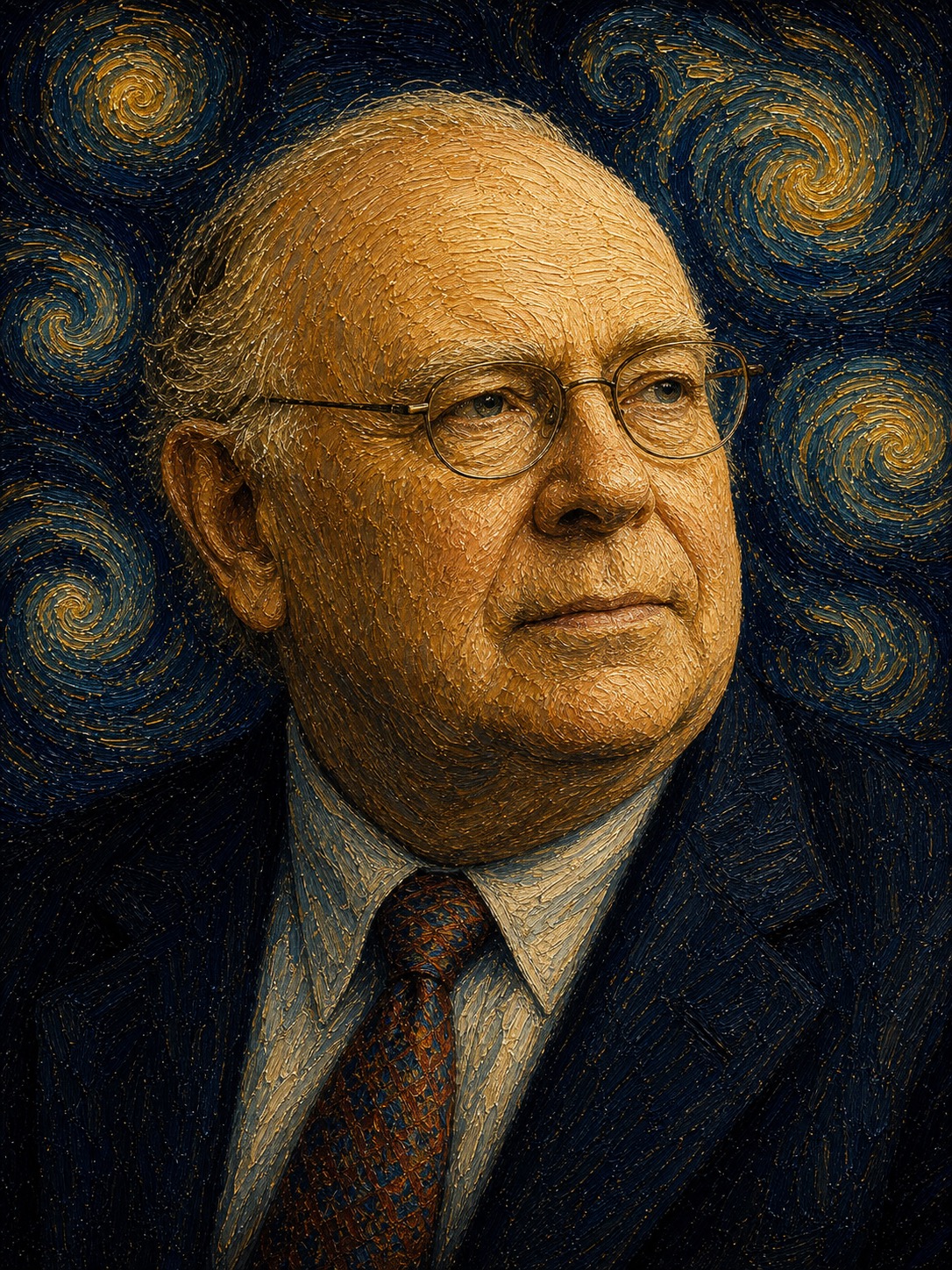
Michael Steinhardt
Entered Wall Street after graduating from Wharton in 1960
THE EDGE
Turned consensus mapping, fast trading feedback, and aggressive sizing into a reported 24.5% net private-partnership record, while showing how the same edge can outrun liquidity, legality, and governance.
Variant perceptionlong/short equitydiscretionary global macroblock trading
Enter the study →
019
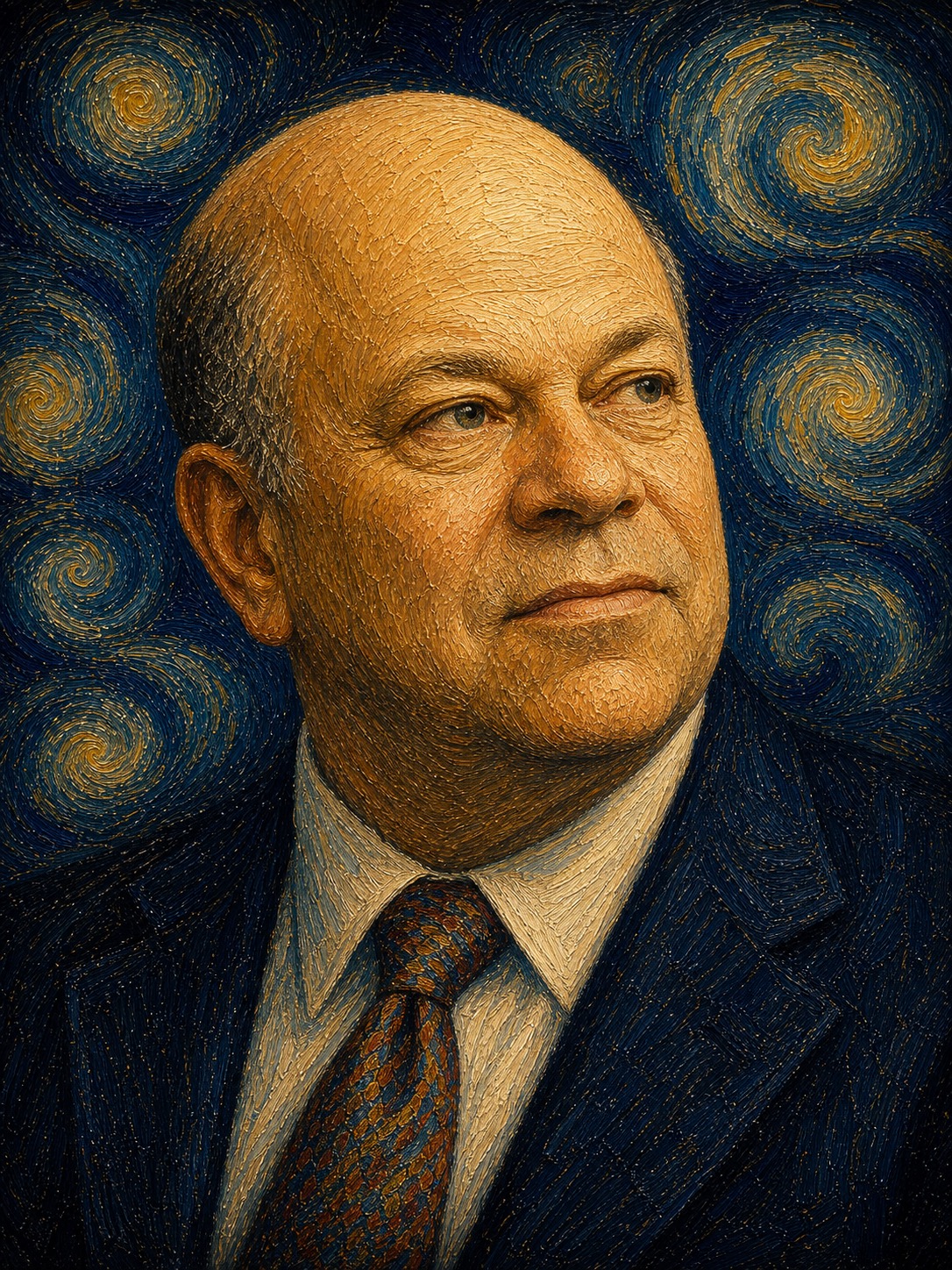
David Tepper
Credit/securities analyst and trader from early 1980s
THE EDGE
Turned credit-trained panic underwriting into a flexible Appaloosa playbook for buying mispriced policy optionality, while exposing non-transferable risks around legal process, 13F opacity, and regulator discretion.
Distressed creditevent-driven special situationspolicy/liquidity macrocrisis investing
Enter the study →
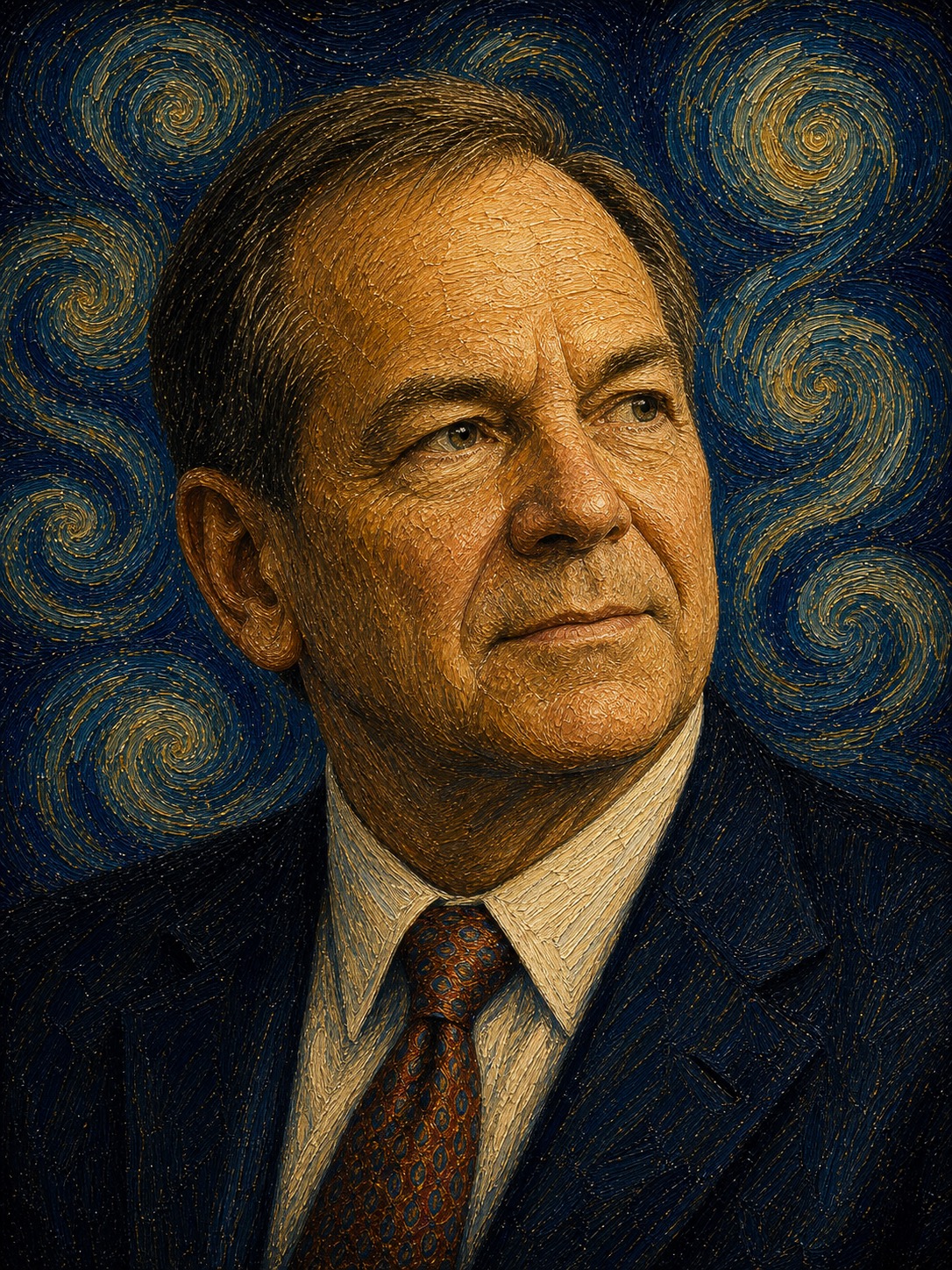
020
Paul Tudor Jones
Proprietary commodity trading from September 1977
THE EDGE
Built a liquid macro trading system around asymmetry, technical timing, and loss-first discipline, while exposing limits around private-fund opacity, regime decay, compliance, and reputational risk.
Discretionary global macrofutures and derivativesrisk-first tradinghistorical analogy
Enter the study →
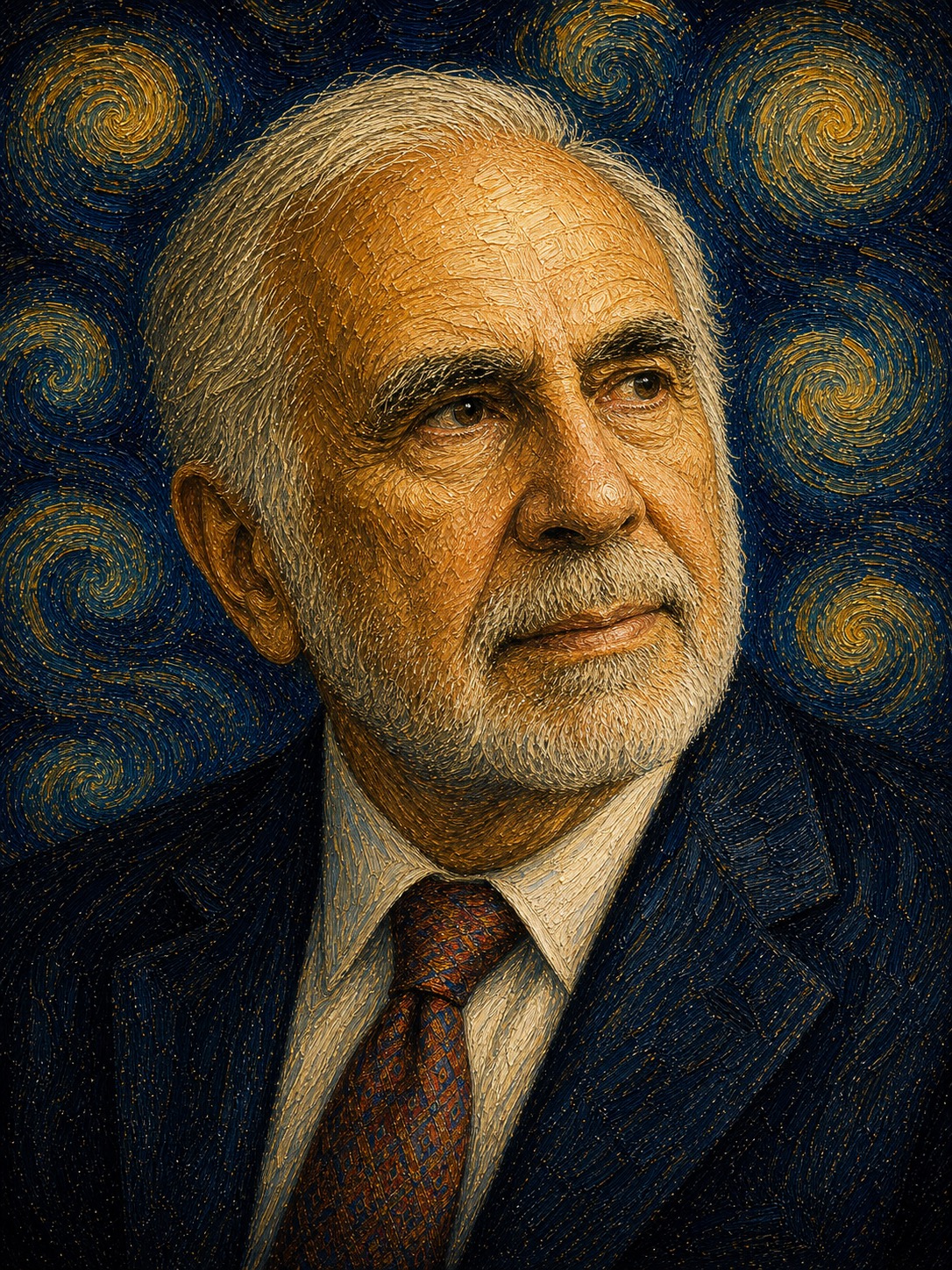
021
Carl Icahn
Wall Street career began in 1961
THE EDGE
Made governance optionality investable by turning ownership rights into pressure, votes, tenders, and control outcomes, while exposing the risks of leverage, disclosure gaps, and activist agency problems.
Shareholder activismcorporate controlproxy fightstender offers
Enter the study →

022
Edward O. Thorp
Academic research from the late 1950s
THE EDGE
Turned edge detection into a scientific operating system: prove the odds, hedge the relationship, size below ruin, and verify the plumbing before trusting any return stream.
Quantitative investingmarket-neutral arbitrageKelly sizingstatistical arbitrage
Enter the study →

023
Walter Schloss
Securities runner in the 1930s
THE EDGE
Turned austere balance-sheet bargain hunting into a multi-decade reported record by buying many neglected securities below conservative value, avoiding leverage and stories, and stopping when bargains disappeared.
Graham-and-Dodd deep valuenet-net and asset-value investingstatistical diversificationlow leverage
Enter the study →
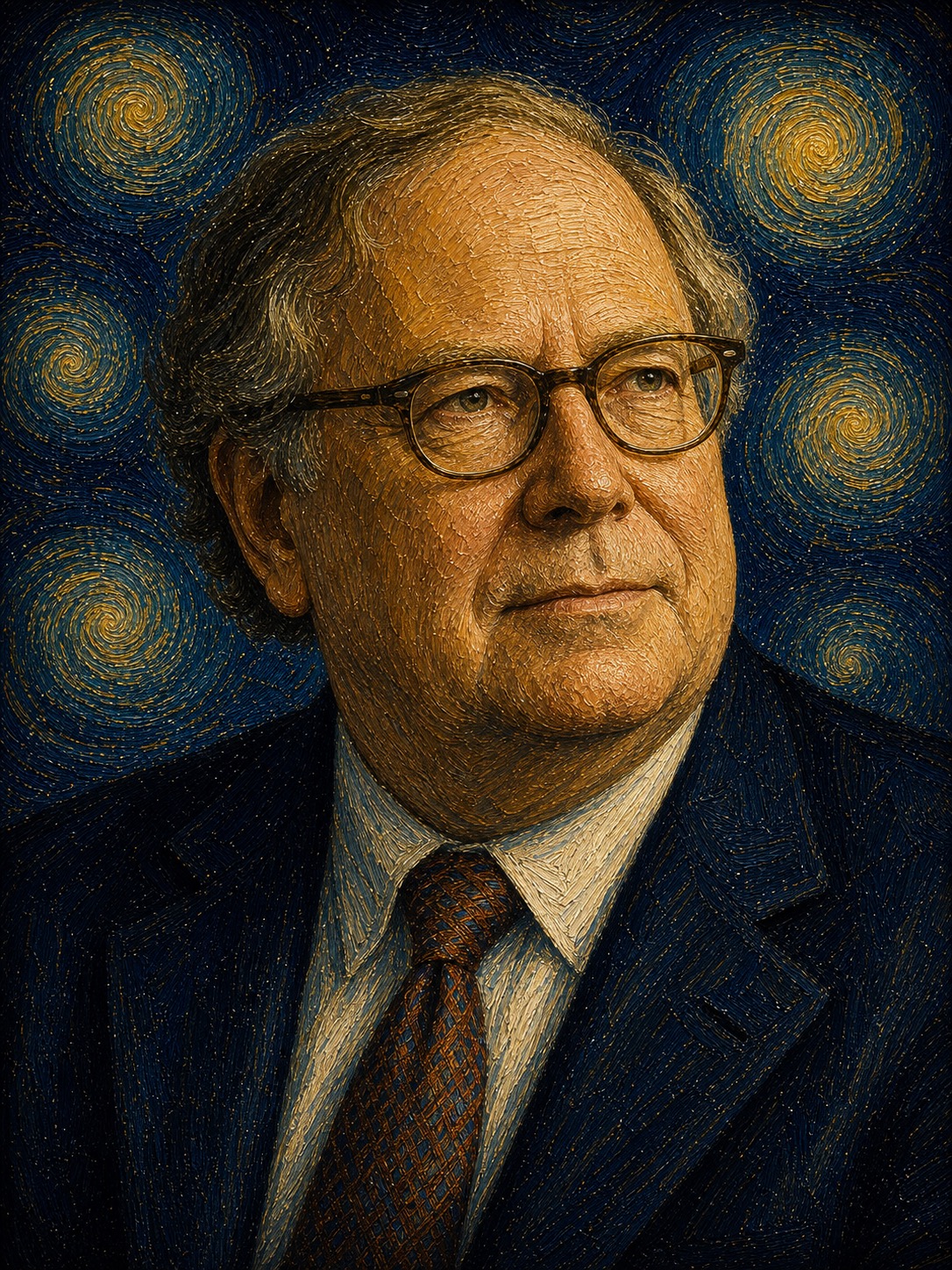
024
Bill Miller
Public-markets career from 1981 at Legg Mason through at least the 2023 succession transition
THE EDGE
Expanded value investing beyond style boxes by underwriting expectations, controversy, and long-duration optionality, while proving that hidden correlation, leverage, and client time horizon can turn the same edge into deep drawdowns.
Contrarian valueexpectations investingflexible intrinsic valuehigh active share
Enter the study →

025
John Neff
National City Bank analyst, 1955-1963
THE EDGE
Turned low expectations, dividends, and sell-into-strength discipline into a rare public mutual-fund record, while showing that value-style pain and client patience are part of the edge.
Low-P/E valuecontrarian mutual-fund investingdividend-plus-growth total returncyclical value
Enter the study →
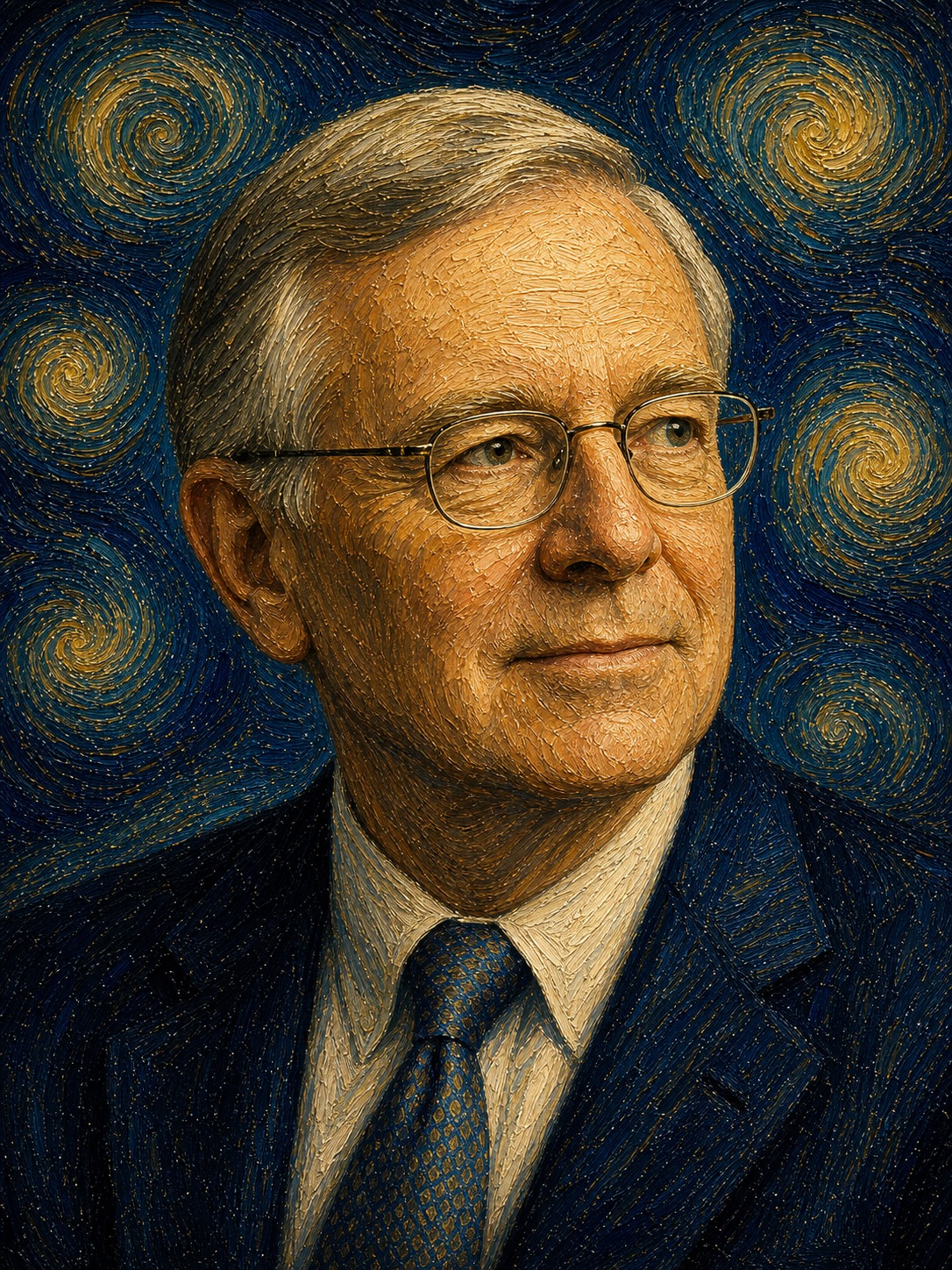
026
David Swensen
THE EDGE
Built Yale's mission-linked endowment into a manager-selection and governance platform that harvested long-horizon illiquidity and access advantages, while warning most investors not to copy the visible allocation.
Endowment modelinstitutional asset allocationalternative assetsexternal-manager selection
Enter the study →
027
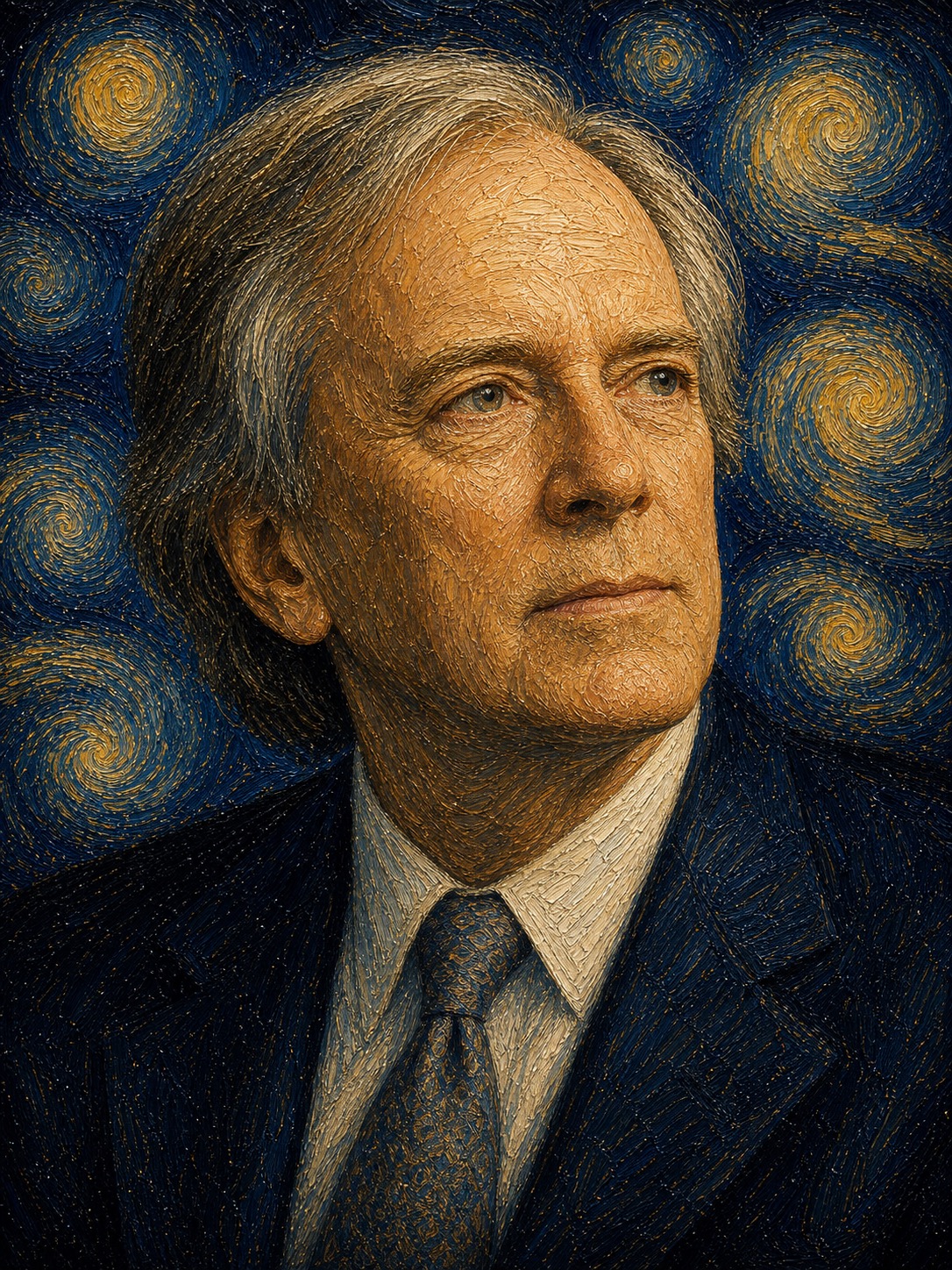
Bill Gross
Investment-industry career from 1971 to active fund-management retirement in 2019
THE EDGE
Turned fixed-income structure into public active alpha through duration, curve, credit, mortgage, and volatility premia, while showing how scale, disclosure, regime, and key-person risk can erode a bond king.
Active fixed incometotal-return bondsstructural alphaduration/curve positioning
Enter the study →

028
Jim Rogers
Wall Street from the mid-1960s
THE EDGE
Turned on-the-ground global observation, cycle awareness, and raw-material scarcity into a public macro/commodity playbook, while showing how timing, attribution, and product wrappers can blur investable edge.
Global macrocommoditiescontrarian field researchcountry/currency cycles
Enter the study →

029
Bruce Kovner
Futures trading began in 1977
THE EDGE
Turned regime-change imagination, price confirmation, and risk-defined sizing into Caxton's macro engine, while showing that capacity, legal boundaries, and platform design are part of the edge.
Global macrodiscretionary cross-asset tradingregime-change analysisrisk-first sizing
Enter the study →

030
Michael Burry
Public-stock writing in the late 1990s
THE EDGE
Turned primary-document reading and asymmetric instruments into a famous subprime short and a broader forensic-value playbook, while showing the limits of timing, disclosure, and public-prophecy risk.
Forensic contrarian valuedocument-driven special situationscredit-bubble shortingactivist value
Enter the study →

031
David Einhorn
Public-investment career from the early 1990s
THE EDGE
Built Greenlight around document-driven variant perception on both longs and shorts, then adapted the process toward direct macro expression while exposing the legal, timing, and platform risks of public contrarian investing.
Long/short valueforensic short sellingpublic thesis advocacyevent-driven value
Enter the study →
032
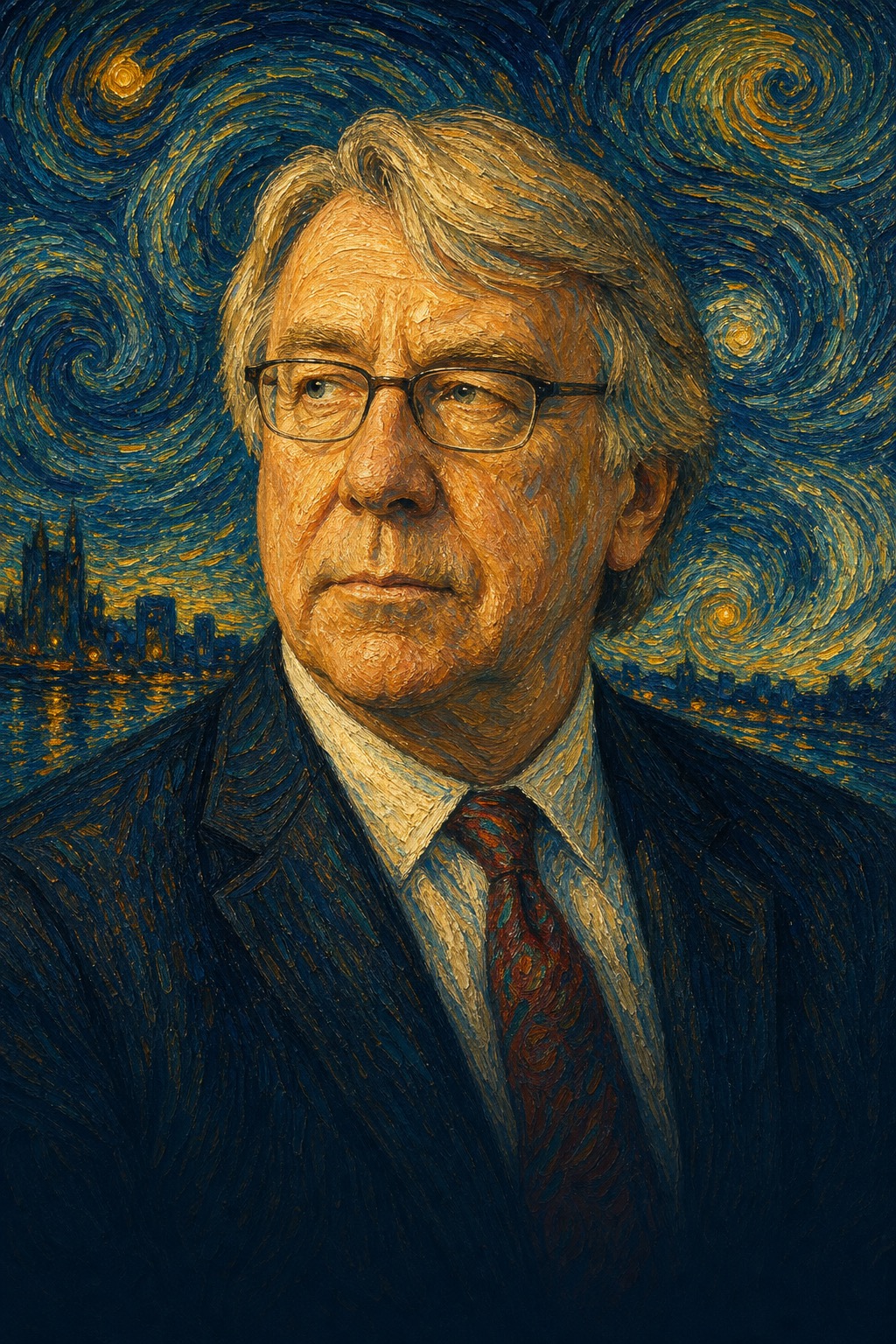
Jim Chanos
1982/1983 analyst career start
THE EDGE
Institutionalized document-driven skepticism by shorting accounting and business-model contradictions, while showing that truth, timing, borrow, reflexivity, and client appetite are separate risks.
Fundamental short sellingforensic accountingfraud detectionshort alpha
Enter the study →

033
Bill Ackman
Real-estate finance before 1992
THE EDGE
Turned ownership, public argument, and vehicle design into a concentrated activist edge, while showing how complexity, mission-lock, legal process, and closed-end discounts can become the thesis risk.
Concentrated quality activismpublic thesis advocacygovernance optionalitypermanent capital
Enter the study →

034
Daniel Loeb
Public-markets career from the 1980s
THE EDGE
Turned public letters, ownership pressure, and cross-asset flexibility into a catalyst engine for mispriced change, while showing how legal, reputational, and vehicle-governance risks can become part of the trade.
Event-driven activismcatalyst-driven valuepublic thesis advocacycross-capital-structure investing
Enter the study →

035
Paul Singer
1977-present as founder of Elliott
THE EDGE
Turned ownership rights, creditor remedies, and legal/process chokepoints into an enforceable value-creation engine, while showing that adversarial process, opacity, and rule changes can become the trade's risk.
Activist investingdistressed debtsovereign-debt enforcementevent-driven multi-strategy
Enter the study →

036
Li Lu
Founded Himalaya in the late 1990s
THE EDGE
Translated Buffett-Munger quality value into a concentrated China/Asia partnership, pairing owner-level research and patient capital with cross-cultural judgment while exposing limits around opaque returns, 13F cloning, and China-structure risk.
Value investingquality compoundersconcentrated long-term ownershipChina / Asia specialist
Enter the study →
037
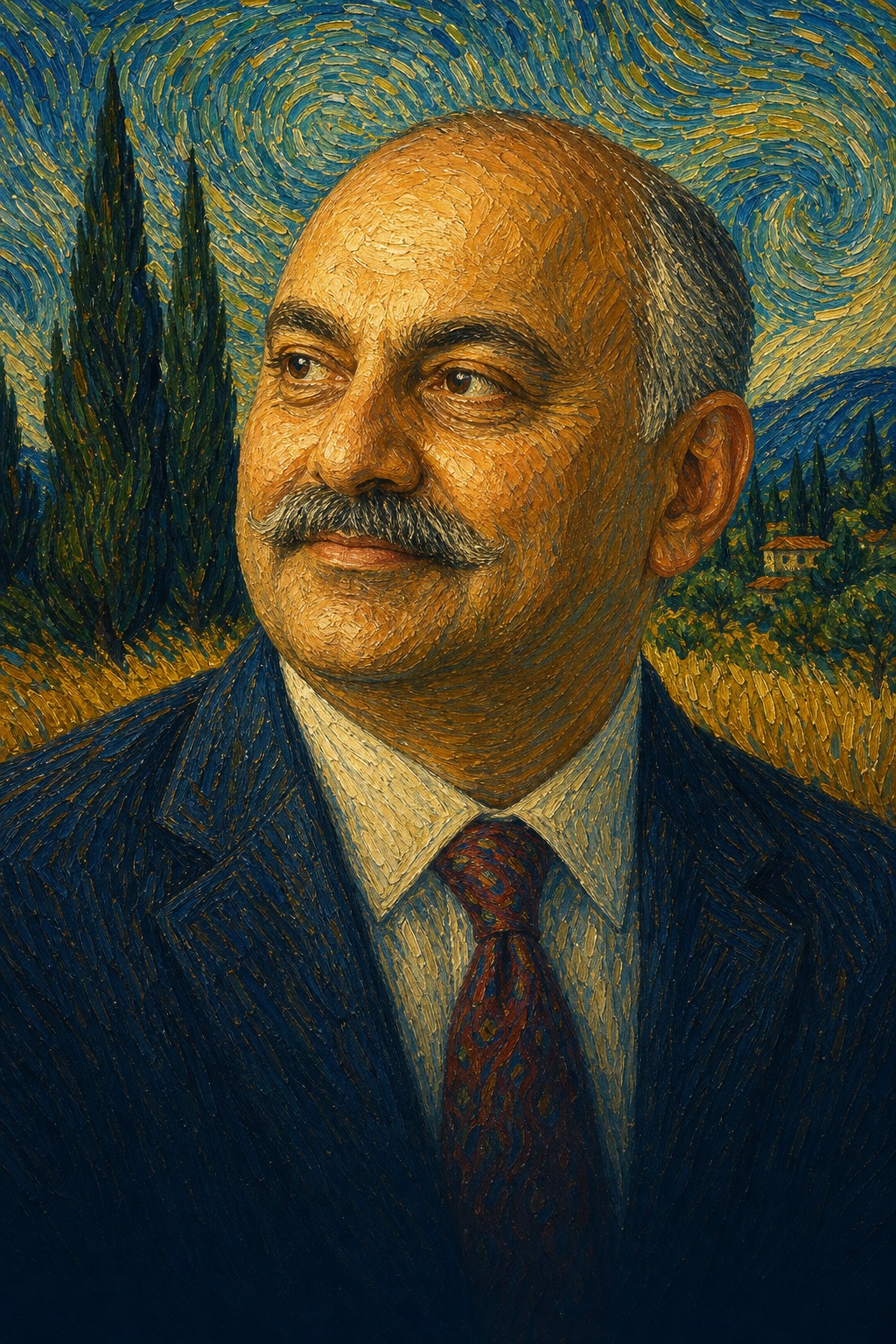
Mohnish Pabrai
Entrepreneur from 1990 via TransTech
THE EDGE
Turned Buffett-Munger cloning and downside-first Dhandho underwriting into a concentrated global value process for neglected businesses, while showing how drawdowns, cyclicals, jurisdiction risk, and public copycatting limit transferability.
Value investingDhandho asymmetryBuffett-Munger cloningconcentrated global equities
Enter the study →

038
Terry Smith
Finance career from Barclays Bank in 1974
THE EDGE
Turned forensic accounting and quality-compounder discipline into a mass-market global equity franchise, while showing how sell discipline, style cycles, and vehicle transferability test patient compounding.
Quality growthaccounting forensicsconcentrated global equitiescash-return compounding
Enter the study →

039
Nick Sleep
Publicly documented Nomad investing period began 10 September 2001 and the approved letters run from late 2001 to early 2014
THE EDGE
Turned global value into a customer-first compounder discipline, using patience and concentration to own Amazon/Costco/Berkshire-like systems through volatility, while exposing limits around rarity, valuation, capacity, and public auditability.
Concentrated global quality compoundingscale economies shareddestination analysispatient ownership
Enter the study →

040
Chuck Akre
Securities business since 1968
THE EDGE
Turned business quality, management quality, and reinvestment runway into a concentrated compounding-machine discipline, while showing how valuation duration, correlated theses, succession, and wrapper mechanics can punish even admired quality portfolios.
Quality compoundingthree-legged stoolessence-by-subtractionconcentrated public equities
Enter the study →

041
Ed Seykota
Trading-related work from the early 1970s
THE EDGE
Turned early computer-tested trend following into a complete system of price response, risk heat, client fit, and emotional process, while showing that legendary private-account returns still need strict audit caveats.
Systematic trend followingmanaged futurescomputerized tradingportfolio heat
Enter the study →

042
Richard Dennis
Exchange runner at 17
THE EDGE
Turned futures trend following into a teachable rules-and-risk system through the Turtles, while showing that high-convexity private trading can break public client vehicles.
Systematic trend followingTurtle tradingmanaged futuresvolatility sizing
Enter the study →

043
William Eckhardt
Professional futures trading from 1974
THE EDGE
Turned probabilistic research, volatility-normalized sizing, and rules-based futures trading into a risk-first CTA discipline, while showing that private composites, Turtle folklore, wrappers, and whipsaw regimes limit transferability.
Systematic trend followingmanaged futuresquantitative futuresvolatility-first risk control
Enter the study →

044
Michael Marcus
Trading career began around 1970
THE EDGE
Turned fundamentals, price confirmation, market tone, and idea-level risk control into a legendary Commodities Corporation futures/currency record, while showing that interview-sourced returns, era/platform dependence, and later non-trading losses limit transferability.
Discretionary global macrofutures and commoditiesfundamental-plus-technical confirmationmarket-tone reading
Enter the study →

045
Larry Hite
Stockbroker from 1968
THE EDGE
Turned trend following into an institutional risk engine by capping losses, diversifying across markets, and letting rules harvest asymmetric trends, while exposing limits around unaudited Mint returns, team attribution, Man-era product structure, and regime dependence.
Systematic trend followingmanaged futures / CTArisk-first sizingvolatility and correlation controls
Enter the study →

046
Marty Schwartz
Securities analyst after his 1970 MBA
THE EDGE
Turned technical timing, daily preparation, and ruthless loss control into a competition-tested trading legend, while showing that self-reported records, capacity, ego, and outside-money pressure limit transferability.
Discretionary short-term tradingtechnical analysisS&P futures and listed optionsrisk-first sizing
Enter the study →

047
Bernard Baruch
Wall Street c
THE EDGE
Turned fact-pattern speculation and bottleneck reasoning into a personal fortune and public-allocation doctrine, while showing why legend, private access, and pre-SEC market plumbing must stay labeled.
Personal-account speculationpolitical-economy investingindustrial/control financecommodity/resource bottlenecks
Enter the study →

048
Gerald Loeb
1921-1965 as a securities professional
THE EDGE
Turned written reasons, liquidity, price feedback, pyramiding winners, and fast loss recognition into a survival-first active-stock doctrine, while exposing the turnover, conflict, and unaudited-record limits of broker-author investing.
Broker-traderliquid listed-equity speculationprice-action confirmationruling-reason discipline
Enter the study →
049
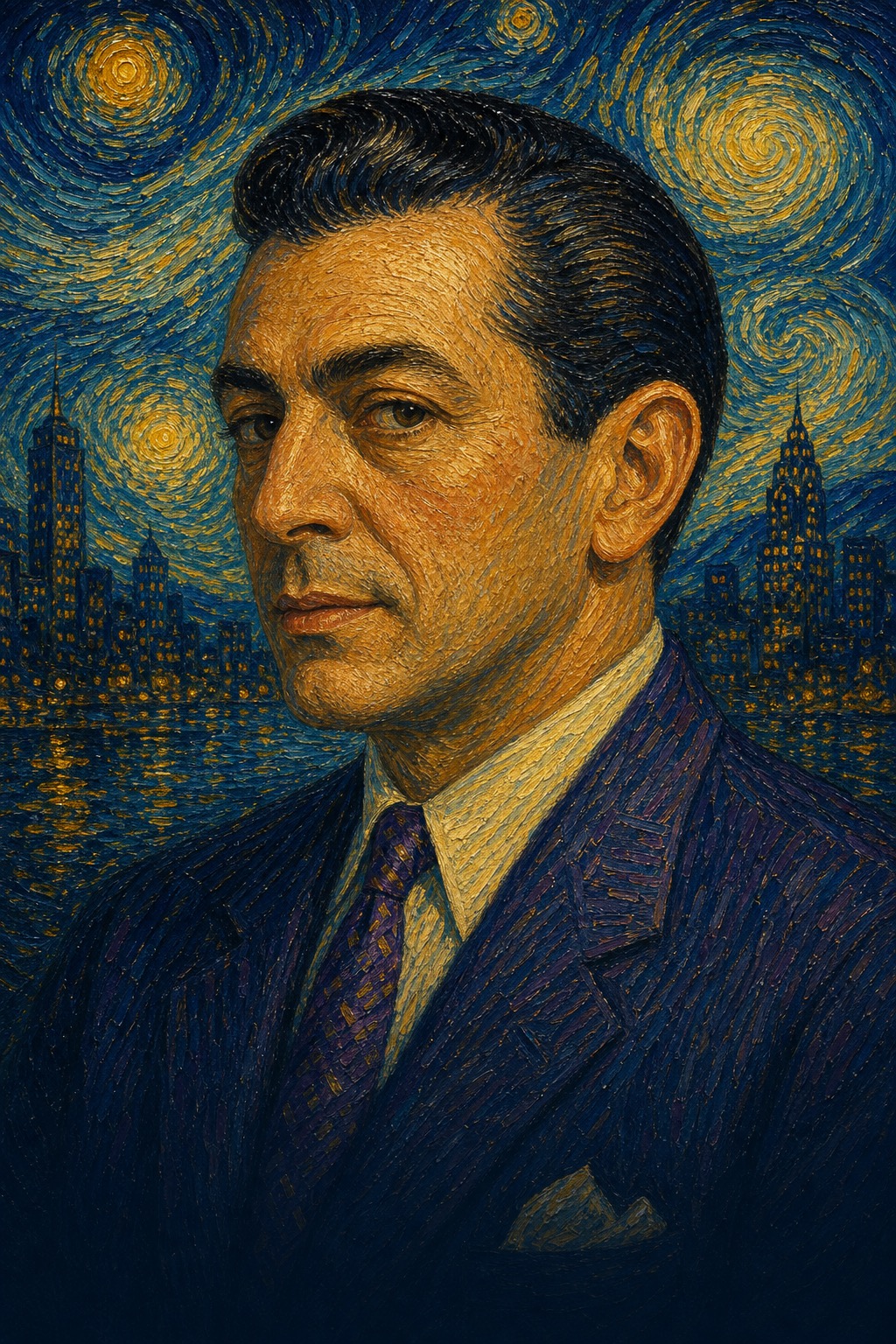
Nicolas Darvas
Market interest began in 1952 after a Toronto nightclub stock-payment episode
THE EDGE
Turned remote price-volume observation, boxes, pyramiding, and precommitted exits into a vivid growth-momentum discipline, while showing why performance mythology, stop-order execution, crowding, and regime dependence must stay labeled.
Growth momentumlong-only listed-equity speculationDarvas Box / breakout tradingprice-volume confirmation
Enter the study →

050
William J. O'Neil
1958-2023: began at Hayden Stone in 1958
THE EDGE
Systematized growth-stock speculation into CAN SLIM, pairing earnings/price leadership and market timing with hard sell rules, while showing that unaudited legends, capacity, costs, and product wrappers limit transferability.
Growth momentumCAN SLIMprice-volume confirmationmodel-book empiricism
Enter the study →

051
Hetty Green
Apprenticeship and bookkeeping from her teens
THE EDGE
Turned inherited capital, cash discipline, legal-document underwriting, and willingness to buy or lend when others were forced sellers into one of the Gilded Age's largest personal fortunes, while leaving no auditable CAGR and a record blurred by litigation, family risk, tax disputes, and hostile press mythmaking.
Nineteenth-century value investingcrisis liquidity providercash and Treasury optionalitydistressed-credit lending
Enter the study →

052
Philip L. Carret
Roughly 1919-1998 as investor/manager
THE EDGE
Turned fact-intensive, low-leverage value speculation into a mutual-fund compounding discipline by buying neglected, balance-sheet-sound securities and holding patiently, while leaving performance math and successor-fund continuity carefully caveated.
Early value investingdisciplined speculationfundamental researchbalance-sheet value
Enter the study →

053
Shelby Cullom Davis
Finance and investing from the mid-1930s until death in 1994
THE EDGE
Turned insurance-regulatory fluency and patient value-growth underwriting into a reported family/firm compounding record, while leaving track-record precision, GEICO/GELICO economics, leverage, and broker-dealer supervision caveats carefully labeled.
Insurance and financial-stock specialistvalue-priced growthDavis Double Playlong-horizon compounding
Enter the study →

054
Roy Neuberger
THE EDGE
Turned independent judgment, valuation discipline, hedging, and no-load vehicle design into a durable advisory/fund franchise, while leaving personal CAGR and trade-level P&L carefully caveated.
Contrarian equitiesvalue-conscious long/shortsurvival-first risk managementno-load mutual-fund pioneer
Enter the study →

055
Thomas Rowe Price Jr.
THE EDGE
Made growth investing operational by pairing life-cycle earnings analysis, valuation discipline, client-aligned fund structure, and capacity control, while leaving personal CAGR and trade-level P&L carefully caveated.
Growth investinggrowth at a reasonable pricecorporate life-cycle analysisfertile-fields research
Enter the study →

056
Ralph Wanger
THE EDGE
Turned neglected smaller companies into a thematic GARP discipline by mapping durable change to downstream beneficiaries, then using field research, valuation, and diversification to let a few multi-baggers dominate bounded errors while exposing capacity, exit-discipline, and team-attribution limits.
Small-cap and mid-cap GARPthematic growthdownstream technologyunderfollowed companies
Enter the study →

057
Joel Tillinghast
THE EDGE
Turned neglected, low-priced stocks into a durable quality-value discipline by subtracting fraud, leverage, fragile economics, and overpayment, then adapting incremental sizing and broad diversification to Fidelity scale while exposing factor, benchmark, team, and capacity limits.
Quality-conscious small/mid-cap valueintrinsic valueaccounting and cash-flow forensicsmanagement-integrity screening
Enter the study →

058
Anthony Bolton
Investment career began in 1971
THE EDGE
Turned unpopular expectation gaps into a disciplined evidence mosaic of company work, solvency, management consistency, valuation, charts, and staged conviction, while the UK scale and China episodes exposed transferability, governance, gearing, vehicle, and star-manager limits.
Contrarian special situationsrecovery and hidden-asset valueunrecognized growthcorporate-change optionality
Enter the study →

059
Peter Cundill
Securities and investment career from the 1960s
THE EDGE
Globalized Graham-style deep value by pairing forensic asset appraisal with on-the-ground research, company-specific realization paths, and patient capital, while C&W, Japan, and the incomplete return bridge expose liability, legal-regime, factor, and attribution limits.
Graham deep valueglobal contrariannet-net and asset-value investingsum-of-the-parts
Enter the study →

060
Prem Watsa
Professional investment career from 1974
THE EDGE
Built a controlled permanent-capital insurance compounder that pairs underwriting profit and low-cost float with Graham value, crisis liquidity, decentralized trust, and friendly acquisitions, while costly macro hedges, value traps, accounting complexity, and succession expose the limits of patience and founder control.
Insurance-float compoundingGraham value and margin of safetyunderwriting-first risk controlcontrarian credit and crisis investing
Enter the study →

061
Francisco García Paramés
1989-present, excluding the two-year non-compete interval after his September 2014 Bestinver departure
THE EDGE
Combined normalized-business underwriting, owner economics, and patient capital to exploit neglected European securities, while Aryzta, early Cobas losses, factor exposure, and star-manager attribution show how patience can become thesis inertia.
Concentrated European/global valuenormalized earningsfamily/reference shareholdersindustrials and cyclicals
Enter the study →

062
André Kostolany
Approximately the mid-1920s to 1999
THE EDGE
Turned liquidity, crowd psychology, holder-quality analysis, and patient crisis optionality into a durable public-market teaching framework, while the absence of an audited record keeps the legend separate from verified performance.
Contrarian speculationmarket psychologyliquidity/rates cycle analysispolitical-economy macro
Enter the study →
063
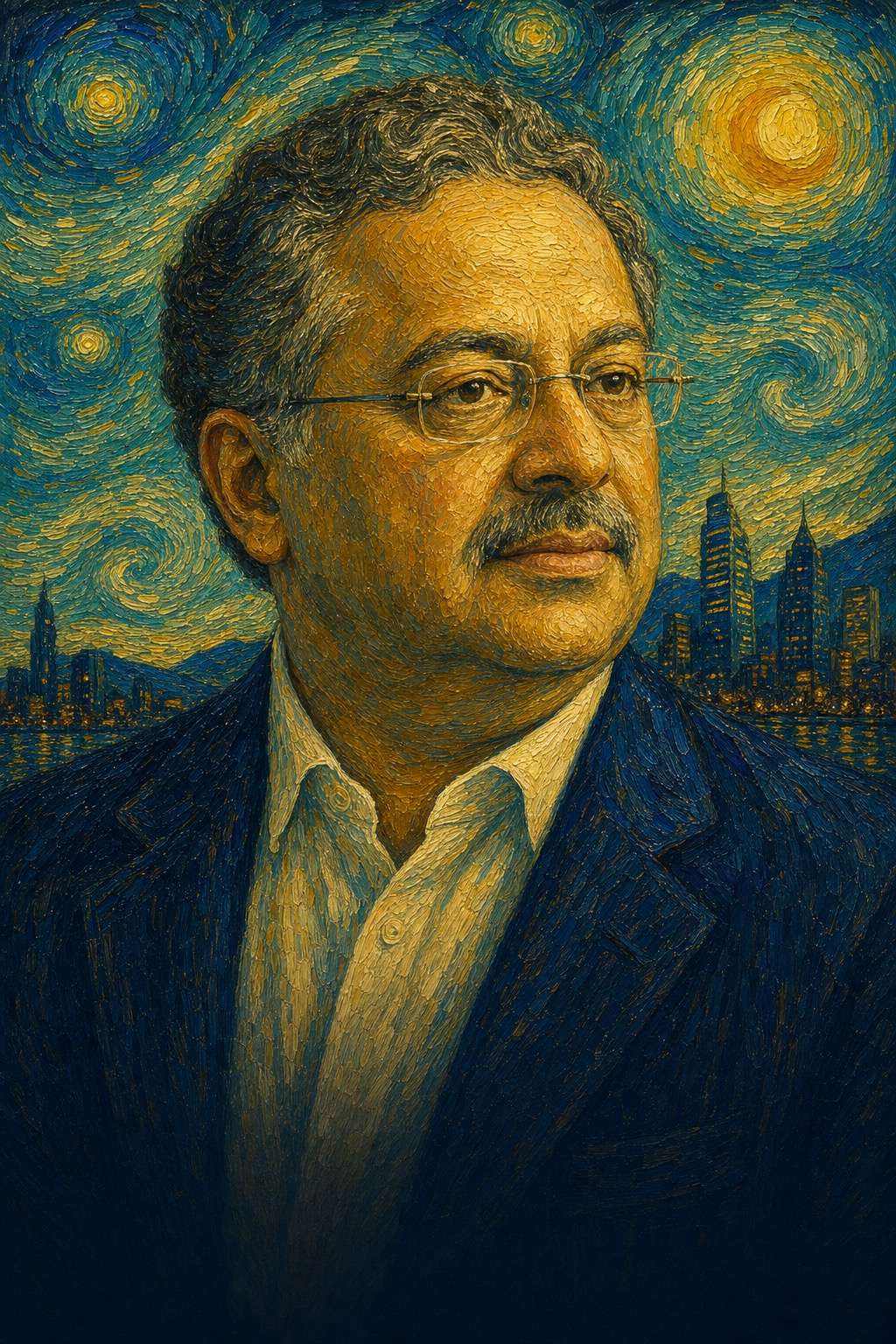
Rakesh Jhunjhunwala
1985-2022
THE EDGE
Combined accounting discipline and management judgment with a structural India thesis, concentrating family capital in scalable businesses while a leverage-capable trading book exposed financing, governance, access, and regime limits.
India-focused discretionary quality at adaptive valueconcentrated long-duration equitiesconditional contrarianismdual investor-trader books
Enter the study →

064
Radhakishan Damani
Bright Star founded in 1989
THE EDGE
Combined price-conscious franchise investing, proprietary family capital, strategic blocks, and owner-operator execution to compound through VST and DMart, while legal-holder fragmentation, missing return and loss ledgers, team attribution, and retail disruption bound the legend.
India-focused proprietary valueprice-conscious consumer franchisesconcentrated long-duration equitiesstrategic blocks and control optionality
Enter the study →

065
Raamdeo Agrawal
Public-market involvement reported from 1983
THE EDGE
Turned accounting discipline, business quality, growth runway, longevity, valuation, and management integrity into the teachable QGLP system and a 30-study Indian research franchise, while incomplete personal ledgers, retrospective screens, product attribution, governance losses, and founder advantages bound the alpha claim.
India-focused quality growth at a reasonable priceQGLPbusiness and management qualitygrowth-duration analysis
Enter the study →

066
Ken Griffin
1987
THE EDGE
Built an adaptive alpha factory that combines specialist forecasts, data, execution, and centralized risk allocation across many short-horizon edges, while 2008, leverage, high fees, capacity, and platform opacity expose the limits of institutional control.
Multi-manager pod platformmulti-strategy absolute returnspecialist autonomycentralized portfolio construction and risk
Enter the study →

067
Israel Englander
1970-present in securities markets
THE EDGE
Built Millennium into a dynamic allocator of many specialist, hedged return streams, using internal evidence, bounded loss budgets, central risk aggregation, and stable capital to pursue consistency while crowding, liquidity, compliance, cost, opacity, and attribution limit the legend.
Multi-manager pod platformmulti-strategy absolute returnspecialist autonomycentralized capital allocation and aggregate risk
Enter the study →

068
Steven A. Cohen
1978–present as an investor and investment executive
THE EDGE
Turned facts, catalysts, tape feedback, and rapid uncertainty reduction into an exceptional discretionary trading record, then scaled specialist teams, data, and centralized risk into Point72, while capacity, private reporting, team attribution, SAC entity guilty pleas, and Cohen's supervisory settlement bound the legend.
Tape reading and short-horizon pattern recognitioncatalyst-driven long/short equityhigh-turnover discretionary tradingmulti-manager multi-strategy platform
Enter the study →

069
Cliff Asness
1991–present in institutional investment research and management
THE EDGE
Turned economically grounded value, momentum, carry, and defensive premia into diversified, risk-budgeted, implementation-aware portfolios—and an unusually public research franchise—while crowding, leverage, model drift, costs, and client endurance bound the edge.
Systematic multi-factor investingvalue, momentum, carry, and defensive/qualityalternative and style premiaquantitative long/short and market neutral
Enter the study →

070
David E. Shaw
Academic computer science, 1980–1986
THE EDGE
Built a scientific investment institution that combines weak signals, data, software, execution, risk allocation, and succession into a durable platform, while 1998, secrecy, leverage, and entity-level governance issues bound the alpha claim.
Computational financestatistical arbitragesystematic-to-discretionary multi-strategyresearch-lab culture
Enter the study →

071
Leda Braga
Derivatives and systematic investing career from the 1990s
THE EDGE
Built Systematica into a Braga-led systematic platform that turns hypothesis testing, diversified trend signals, derivatives infrastructure and risk governance into crisis-aware return streams, while private-fund opacity, BlueCrest adjacency, whipsaw regimes and team attribution bound the edge.
Systematic trend followingmanaged futures / CTAquantitative macrodata-science investing
Enter the study →

072
Geraldine Weiss
1966–2002 as IQT founder, publisher, and editor
THE EDGE
Turned each mature dividend payer's own recurring yield range into a public, rules-based buy/sell discipline, combining quality gates, diversified sizing and cash optionality while yield traps, regime shifts, timing drag and newsletter/succession attribution bound the record.
Dividend-yield valueSelect Blue Chip quality screeningcompany-specific historical-relative valuationcontrarian mean reversion
Enter the study →

073
Linda Bradford Raschke
Professional trading from 1981
THE EDGE
Turned floor-trained tape reading into a conditional multi-market process combining quantified tendencies, regime matching, explicit invalidation, adaptive execution, and behavioral risk controls, while incomplete vehicle records, team attribution, discretion, costs, and market-structure decay bound the repeatable-alpha claim.
Discretionary short-term multi-market futuresswing tradingtape reading and price actionconditional pattern research
Enter the study →

074
Cathie Wood
Documented public-markets career from 1980 to present in ARK's 2026 Form ADV
THE EDGE
Built an open-research active-ETF franchise that maps cost declines and converging technologies into concentrated five-year equity bets, while forecast drift, correlated duration, security selection, client timing, liquidity, and founder dependence bound the repeatable-alpha claim.
Disruptive-innovation thematic growthtop-down technology and value-chain mappingbottom-up five-year valuationbenchmark-agnostic active ETFs
Enter the study →

075
Jeffrey Gundlach
Institutional investing from 1985 to the present
THE EDGE
Turned mortgage cash-flow analysis, risk-first construction, and tactical cross-sector allocation into a durable fixed-income franchise, while forecast misses, 2020 and 2022 stress, team attribution, outflows, and founder dependence bound the “bond king” claim.
Active fixed incomemortgage and structured-credit specializationmacro-plus-bottom-up allocationcross-sector relative value
Enter the study →

076
Dan Fuss
Entered investment work in 1958
THE EDGE
Turned bonds into equity-style business and legal-claim underwriting, using a global benchmark-agnostic team and patient liquidity to buy forced-sale credit, while crisis drawdowns, currency losses, client flows, and team attribution bound the legend.
Active multisector fixed incomecontrarian credit valueequity-style issuer underwritingbenchmark-agnostic global bonds
Enter the study →

077
John W. Henry
JWH began managing assets as a sole proprietorship in 1981
THE EDGE
Institutionalized price-first, diversified trend participation across global futures, while composite dispersion, extreme drawdowns, operating failures, and client-capital contraction exposed the gap between strategy durability and business durability.
Systematic trend followingmanaged futures / CTAdiversified global futureslong/short price response
Enter the study →

078
Richard Donchian
Securities work from 1933
THE EDGE
Turned loss-limited trend following, moving-average and breakout rules, and cross-market diversification into a managed-futures discipline, while incomplete fund records, discretionary overrides, collaborator authorship, and descendant-system attribution bound the legend.
Systematic trend followingmanaged-futures pioneerdiversified commodity futures5/20 moving-average rules
Enter the study →

079
Mark Spitznagel
Professional trading from approximately 1993 to the present
THE EDGE
Turned positive-skew options trading into an institutional overlay designed to preserve equity exposure and terminal wealth, while recurring carry, capacity, private-fund opacity, denominator choice, and team attribution bound the public record.
Tail-risk hedgingcrisis-risk mitigationlong convexitylisted options and futures
Enter the study →

080
Nassim Nicholas Taleb
Approximately 1984–2005 as a derivatives practitioner, followed by research, writing and advisory work
THE EDGE
Turned fat-tail and model-risk analysis into a survival-first barbell discipline built on hard ruin limits, liquidity, and bounded-loss convexity, while incomplete Empirica records and adviser-not-manager status at Universa bound the alpha claim.
Tail-risk hedginglong convexitypositive skewbarbell exposure
Enter the study →

081
John Paulson
1980-present
THE EDGE
Turned downside-first event analysis into scalable asymmetric trades by matching catalysts to loss-budgeted instruments, while opaque vehicle records, ABACUS disclosure conflict, later directional drawdowns, and success-induced strategy drift bound the repeatable-alpha claim.
Event-drivenmerger arbitragecatalyst-based special situationsdownside-first underwriting
Enter the study →

082
Louis Bacon
1981-present in finance
THE EDGE
Turned policy and rate themes into tactically managed cross-asset portfolios, while concentration, funding mismatch, supervision, regime decay, attribution opacity and failed succession bound the repeatable-alpha claim.
Discretionary global macrodual-horizon thematic tradingrates and policy-regime analysisliquid cross-asset futures and derivatives
Enter the study →

083
Alan Howard
Professional markets career from 1986
THE EDGE
Built conditional macro aggression inside an integrated liquidity, counterparty, operational and aggregate-risk system, while slow regime adaptation, opaque personal attribution and crisis-gain givebacks bound the repeatable-alpha claim.
Discretionary global macrorates and FXpolicy-reaction-function analysisliquid derivatives and options
Enter the study →

084
Michael Platt
Professional markets career from 1991
THE EDGE
Built a feedback-driven macro and specialist-PM allocation system around payoff engineering, current evidence and liquidity, while RMT conflicts, aggregate funding risk and private opacity bound the repeatable-alpha claim.
Discretionary global macrorates relative valuescenario analysisliquid derivatives and options
Enter the study →

085
Chase Coleman
Investment career from 1997
THE EDGE
Built a global technology crossover platform that used secular-change, category-leader, and lifecycle research across public and private markets, while 2021–22 exposed duration, valuation, liquidity, capacity, governance, and founder/team-attribution limits.
Global growth equitiesinternet and softwarefundamental long/short equitypublic/private crossover
Enter the study →

086
Stephen Mandel
Consulting from 1982
THE EDGE
Built Lone Pine into a people-driven, change-aware fundamental-equity institution spanning long/short, long-only and private capital, while succession, factor concentration, private opacity and incomplete founder/team attribution bound the personal-alpha claim.
Global fundamental equityquality growthbottom-up researchmanagement and culture
Enter the study →

087
Christopher Hohn
Two years at Coopers & Lybrand after university
THE EDGE
Built a concentrated quality-value process around predictable cash flow, moat duration, and optional governance intervention, while 2008, CSX, sovereign vetoes, incomplete disclosures, and key-person dependence bound the public record.
Concentrated global quality valuepredictable free cash flowmoat and pricing-power underwritingprivate-equity-style public-market diligence
Enter the study →
088
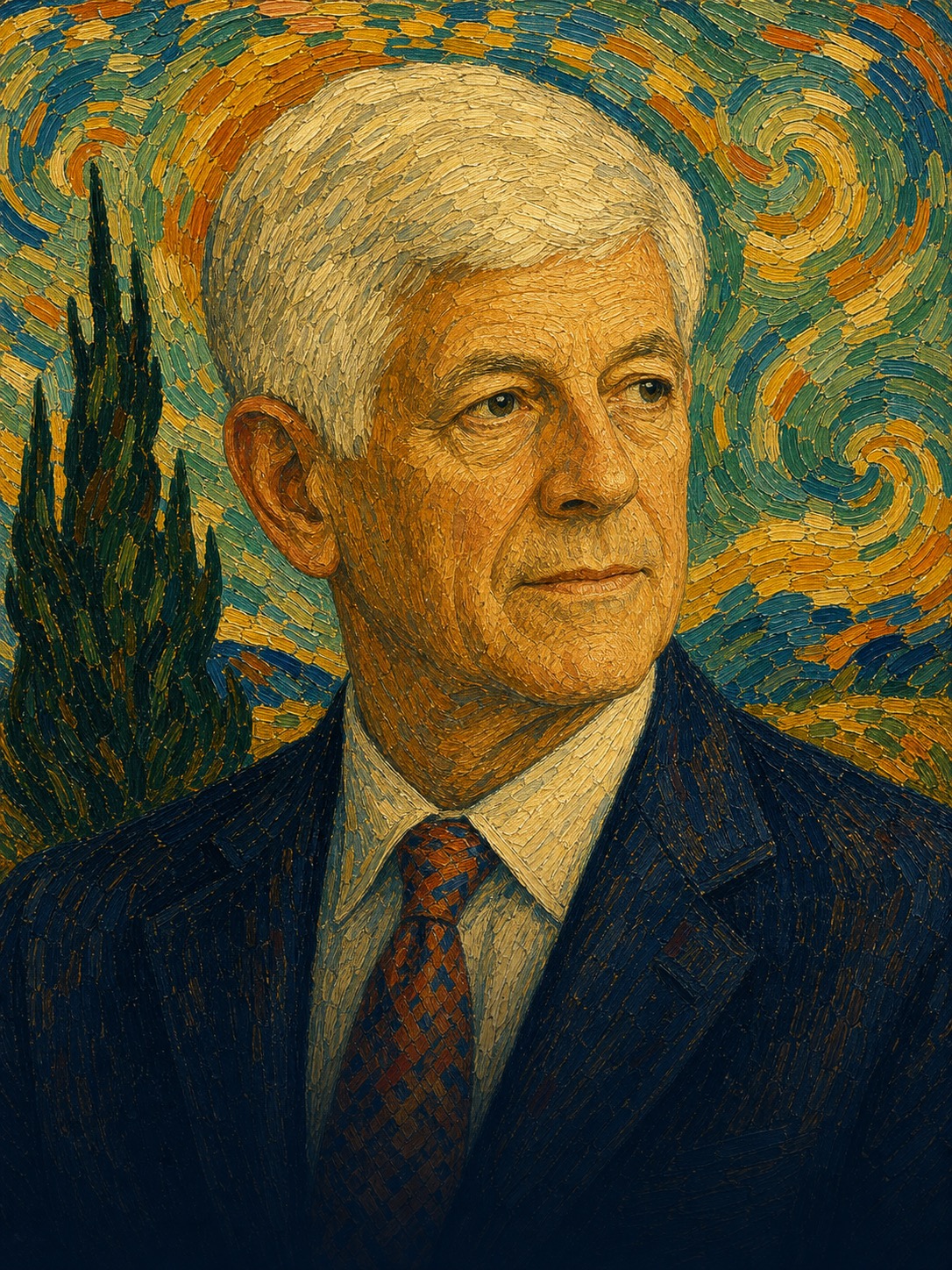
Mario Gabelli
Registered securities work from January 1968
THE EDGE
Turned strategic-buyer value, sector memory, and explicit catalysts into an institutional public-equity process, while incomplete trade records, recent flagship lag, outside catalyst dependence, and founder control bound the personal-alpha claim.
Graham-and-Dodd valuePrivate Market Value with a Catalystindustry-specialist bottom-up researchnormalized cash-flow and sum-of-the-parts valuation
Enter the study →

089
Mason Hawkins
Research leadership from 1972 and Southeastern founder from 1975: roughly 54 years in investment work and 51 years at Southeastern through the as-of date
THE EDGE
Built an owner-aligned institution around conservative appraisal, concentration, and patient engagement, while 2008, People errors, later benchmark erosion, and team attribution bound the repeatable-alpha claim.
Concentrated quality valueBusiness-People-Priceconservative appraisalprivate-market comparables
Enter the study →

090
Jean-Marie Eveillard
Securities analysis from 1962
THE EDGE
Globalized Graham-and-Dodd appraisal through public-information accounting work, diversified patient ownership, residual cash, and monetary insurance, while Swissair, defensive drag, client flight, team attribution, and successor boundaries limit the legend.
Global Graham-Buffett valuebusiness-owner appraisalmargin of safetybroad diversification
Enter the study →
091
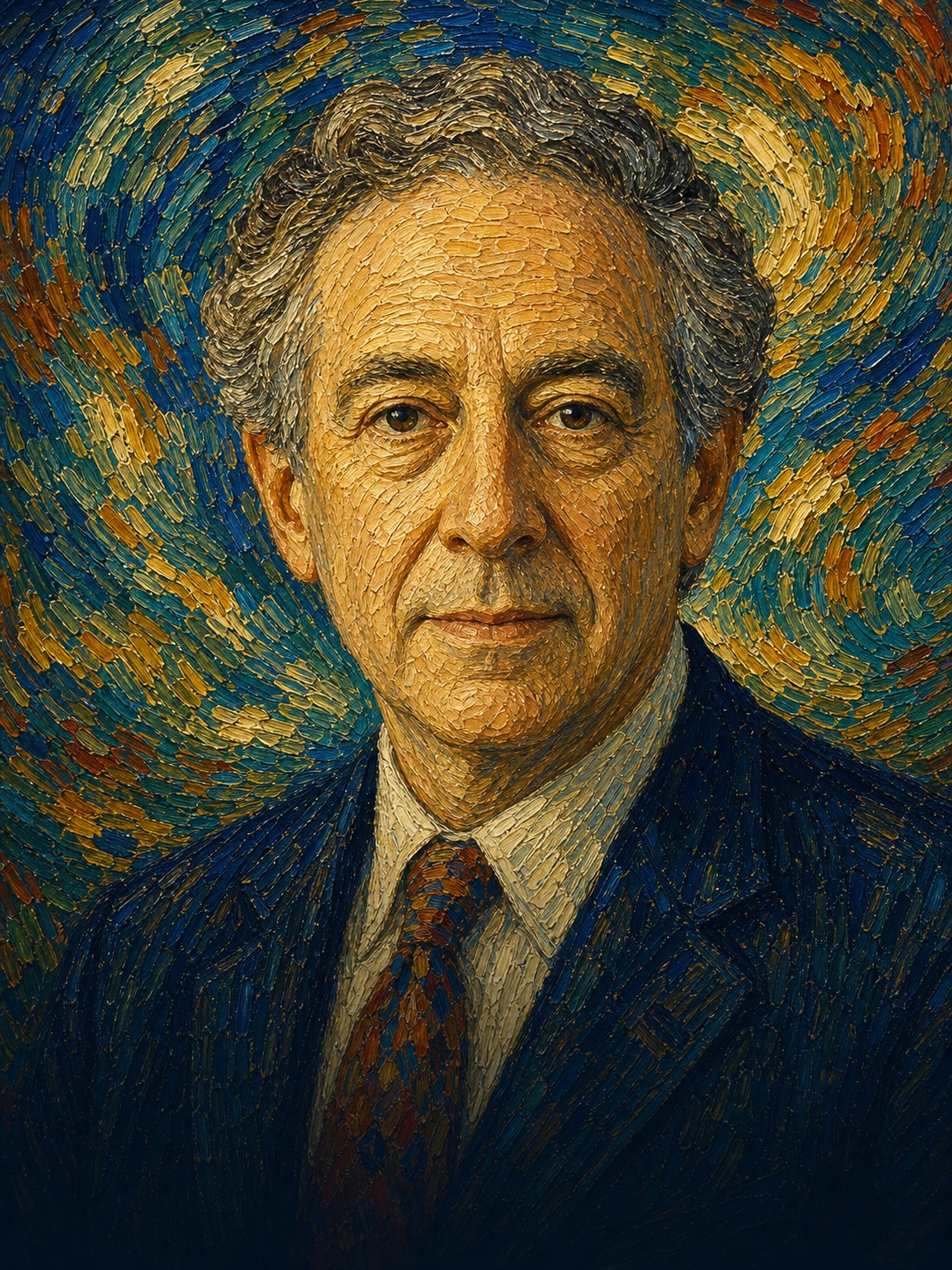
David Dreman
THE EDGE
Made behavioral contrarian value operational through low-multiple screens and disciplined patience, while 2008 financials showed how broken accounting denominators and client path risk can defeat a statistically cheap portfolio.
Contrarian valuebehavioral financelow-P/E and low-expectations investinganalyst-forecast-error skepticism
Enter the study →

092
Martin Whitman
1950 Wall Street analyst start
THE EDGE
Turned Graham-and-Dodd value into a corporate-finance, credit-first public-markets process around safe-and-cheap securities, resource conversion, and public-document edge, while 2008, MBIA, Focused Credit, and the missing trade ledger bound final attribution.
Safe-and-cheap valueGraham-and-Dodd deep valuecorporate-finance valueasset/NAV discount
Enter the study →

093
Michael Price
Approximately 1973/1975-2022
THE EDGE
Turned cheap-security appraisal into a catalyst-driven public-markets process across mergers, distressed claims, liquidations, and board pressure, while Sunbeam, Macy, capacity, and successor boundaries limit the legend.
Graham-and-Dodd valueprivate-market value with catalystspecial situationsdistressed and bankruptcy investing
Enter the study →

094
Jeremy Grantham
1969-present in investment management
THE EDGE
Built GMO's long-horizon valuation and bubble-analysis culture into a benchmark-agnostic asset-allocation framework, while showing that being right early only works when the mandate and clients can survive the path.
Valuation-led global asset allocationmean reversionbubble historybenchmark-free mandates
Enter the study →

095
Lou Simpson
Roughly early 1960s-2019 in investing and advisory work
THE EDGE
Built an unusually long Berkshire-reported GEICO equity record through concentrated, patient business-and-management underwriting, while unavailable trade-level attribution, insurer constraints, and portfolio opacity bound what can be replicated.
Concentrated quality valuequality at a reasonable pricebottom-up fundamental public equitybusiness-owner appraisal
Enter the study →

096
Bill Ruane
Not established from an accessible source
THE EDGE
The current folder documents a source gap and rigorous replacement standard; no track record, process, or investable edge is established.
No verified style tagsprovisional evidence-recovery record
Enter the study →

097
Irving Kahn
Not established from accessible source text
THE EDGE
The current folder documents a source gap and strict replacement standard; no track record, process, trade, or investable edge is established.
No verified style tagsprovisional evidence-recovery record
Enter the study →

098
Victor Niederhoffer
Not established from readable source text
THE EDGE
The current folder documents a source-access gap and strict replacement standard; no track record, process, trade, loss, legal record, or investable edge is established.
No verified style tagsCAUTIONARY is roster context onlyprovisional evidence-recovery record
Enter the study →

099
John Meriwether
Not independently verified
THE EDGE
The current folder documents a source-access gap and strict replacement standard; no track record, process, trade, loss, legal record, or investable edge is established.
No verified style tagsCAUTIONARY is roster context onlyprovisional evidence-recovery record
Enter the study →

100
Bill Hwang
Not independently verified
THE EDGE
The current folder documents a source gap and strict replacement standard; no investor-specific track record, process, trade, or investable edge is established.
No verified style tagsprovisional evidence-recovery record
Enter the study →